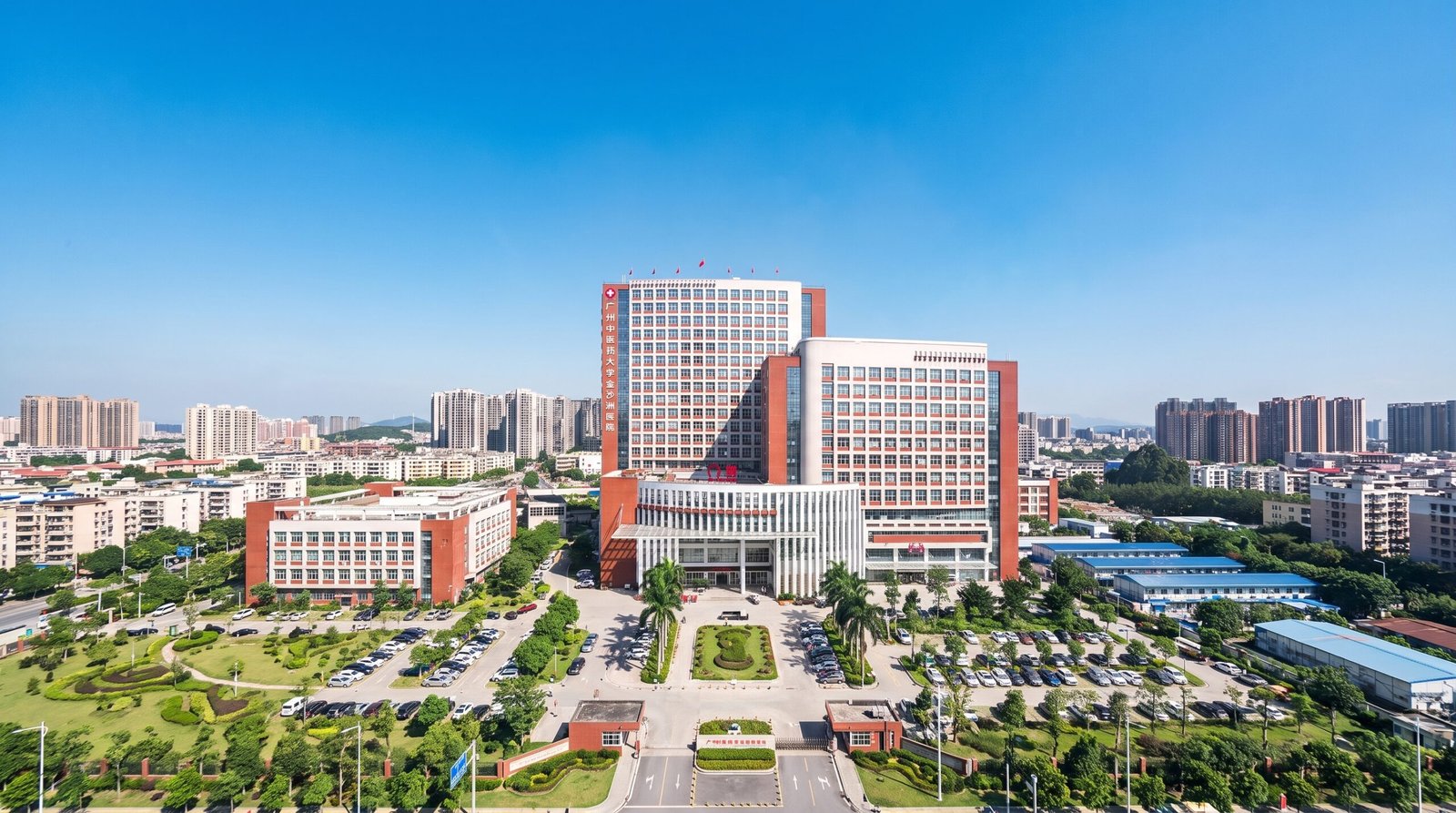
International Oncology Center, Jinshazhou Hospital of Guangzhou University of Chinese Medicine
GLOBAL ONCOLOGY CARE · GUANGZHOU

Not Just Another Hospital,
But Another Path to Treatment.

For cancer patients worldwide, we connect precision diagnosis and multidisciplinary evaluation with 20+ oncology treatment technologies to explore more possibilities for complex, recurrent and metastatic disease.

PRECISION DIAGNOSIS 20+ MODALITIES MDT DECISION INTERNATIONAL PATIENT CARE
20+ Oncology Treatment Technologies More than one treatment pathway.
MDT Multidisciplinary Evaluation Not one doctor. One team.
24H Fast International Patient Coordination Fast coordination for medical review.
600+ Radiotherapy Sessions per Day*
60,000+ Cancer Patients Treated Annually*
20+ Oncology Treatment Technologies
MDT Multidisciplinary Decision-Making
02 · WHY GUANGZHOU

Why Are More International Patients
Coming to Guangzhou for Their Next Treatment Option?

It is not simply about seeking treatment in another country. It is about reassessing the possibilities — with access to more technologies, more treatment options, stronger multidisciplinary collaboration and a more coordinated care pathway.
International Oncology Care at Jinshazhou Hospital of Guangzhou University of Chinese Medicine
GUANGZHOU · CHINA From “Is there anything else we can do?”
to “Which options can we still consider?”
Advanced oncology care · Multidisciplinary treatment · International patient support
MORE TREATMENT OPTIONS More Treatment Options to Compare

Precision radiotherapy, interventional therapy, ablation, robotic surgery, targeted therapy and immunotherapy can be evaluated together as part of one coordinated treatment strategy.

MDT DECISION Decisions Are Not Made by One Doctor Alone

Complex cases are reviewed by specialists from different disciplines to determine treatment priorities and reduce the limitations of a single-specialty perspective.

PRECISION DIAGNOSIS Reassess the Disease Before Deciding What Comes Next

PET/MR, medical imaging, pathology and other necessary tests help reassess staging, disease extent and the remaining treatment possibilities.

FASTER CARE PATHWAY Reduce Waiting and Cross-Hospital Coordination

Diagnostics, hospitalization, specialist consultations and oncology treatment can be coordinated within one integrated hospital system to improve treatment efficiency.

The value of coming to Guangzhou is not simply to continue the same treatment in a different place — it is an opportunity to reassess whether a more suitable treatment combination may be available. For international patients, the value is not simply access to another hospital — it is access to more treatment pathways within one integrated oncology system.
03 · 20+ ANTI-CANCER MODALITIES

One Cancer Diagnosis
Should Not Have Only One Answer.

True personalized treatment does not place every patient into the same protocol. It means selecting and combining the most appropriate treatment pathways based on tumor location, stage, previous treatments, physical condition and treatment goals.
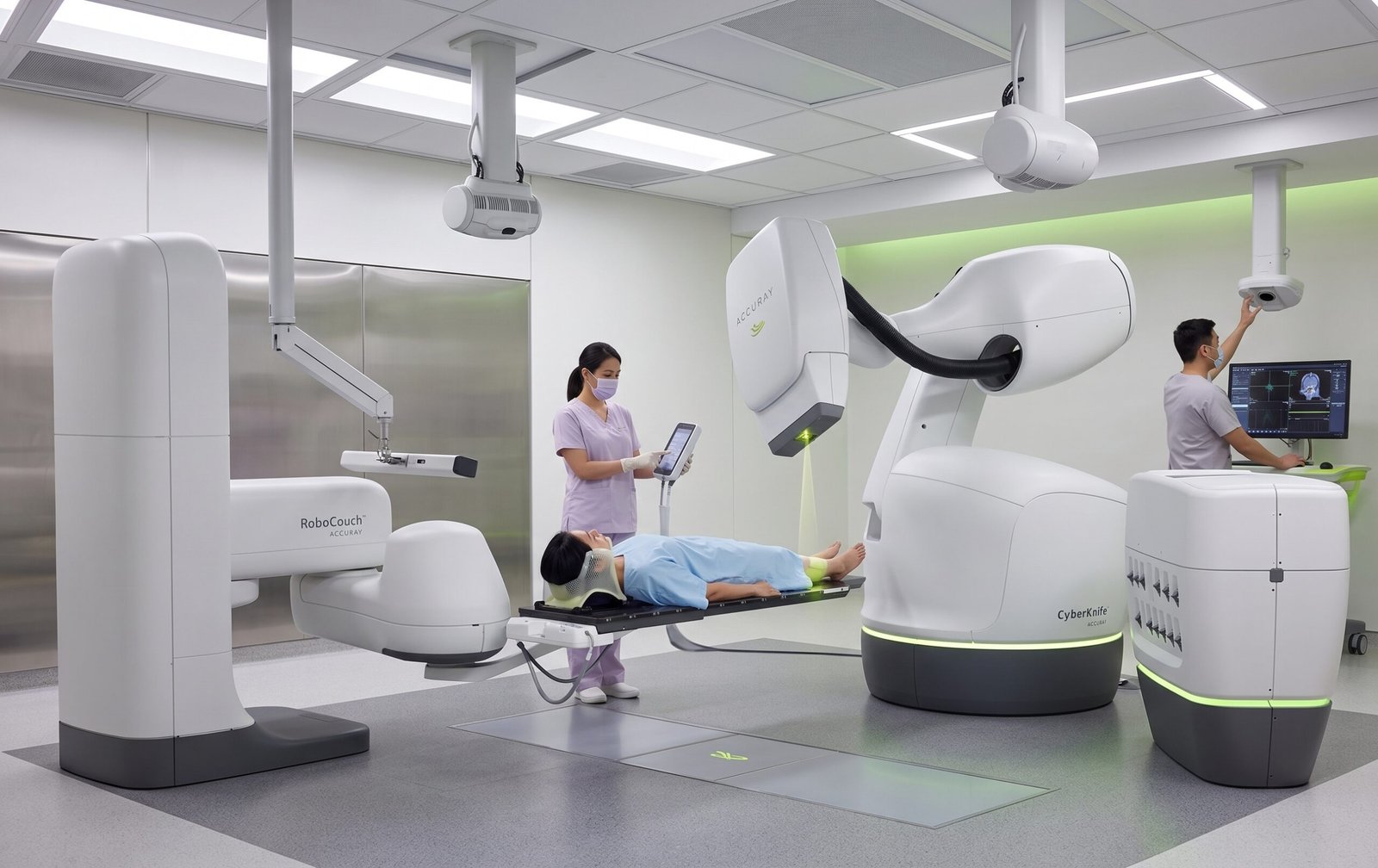
Multiple Oncology Treatment Technologies at Jinshazhou Hospital
MULTI-MODALITY ONCOLOGY It Is Not About “Which Machine Is Best?”
It Is About Which Combination Best Fits the Patient.
Precision Radiotherapy · Surgery · Interventional Oncology · Targeted Therapy · Immunotherapy
ONE PATIENT · MULTIPLE PATHWAYS

More Treatment Options Create More Possibilities for the Right Combination.

For patients with complex, recurrent or metastatic disease, a single treatment is often not enough. A multi-platform approach allows the MDT to balance local treatment, systemic therapy and the patient’s overall tolerance more precisely.

Precision RT Robotic Surgery Intervention Ablation Targeted Therapy Immunotherapy
01 Precision Radiotherapy Multi-platform radiotherapy including CyberKnife, TomoTherapy, TrueBeam, Halcyon, Ethos and HyperArc.
02 Interventional Oncology Evaluate vascular interventional and local treatment strategies for suitable liver, lung and other tumor lesions.
03 Tumor Ablation Assess local ablation options such as radiofrequency and microwave ablation based on lesion location and size.
04 Robotic & Minimally Invasive Surgery For suitable surgical candidates, more precise surgical and minimally invasive approaches may be considered.
05 Targeted Therapy Genomic and molecular testing may help identify more precise drug treatment options for suitable patients.
06 Immunotherapy Immunotherapy strategies are assessed according to tumor type, prior treatments and relevant biomarkers.
07 Systemic Drug Therapy Chemotherapy, oral medications and other systemic therapies are evaluated as part of the overall treatment sequence.
08 Precision Diagnostics & Pathology Pathology, IHC, NGS and imaging findings are combined to help guide the next treatment direction.
09 SRS / SBRT High-precision stereotactic radiotherapy is assessed for suitable intracranial and body lesions.
10 IMRT / VMAT / IGRT Intensity-modulated, volumetric arc and image-guided radiotherapy support individualized planning for tumors in different locations.
11 HyperArc for Brain Metastases Provides an efficient and precise radiotherapy option for multiple brain metastases and other complex intracranial lesions.
12 AI-Adaptive Radiotherapy Radiotherapy plans may be reassessed and adapted according to anatomical changes during treatment.
13 Respiratory-Gated Radiotherapy Respiratory management and precise irradiation strategies are assessed for thoracic and abdominal tumors affected by breathing motion.
14 Proton Therapy Proton therapy suitability is assessed based on tumor location, prior treatment and the need to protect surrounding normal tissues.
15 Comprehensive Treatment for Bone Metastases Radiotherapy, bone cement procedures, bone-protective therapy and systemic treatment may be combined to address pain and structural risk.
16 Intracavitary / Brachytherapy For selected gynecologic and other indications, brachytherapy may be combined with external beam radiotherapy.
17 Oncolytic Virus Therapy For suitable tumor types and clinical conditions, oncolytic virus therapy may be evaluated as part of a broader treatment strategy.
18 Dual-Immunotherapy Combination Combination immunotherapy is evaluated according to cancer type, biomarkers, prior treatments and the patient’s overall condition.
19 Breast & Organ Function Preservation Where appropriate, treatment planning considers tumor control together with breast, organ and functional preservation.
20 Integrated Chinese & Western Medicine Care Integrated support and continuous care may address treatment-related symptoms, nutrition, recovery and long-term management.
The value of 20+ treatment technologies is not to use them all — it is to give patients more treatment pathways that can be compared and considered. Final treatment decisions still require formal assessment based on the patient’s condition, test results and MDT review.
VIEW TREATMENT TECHNOLOGIES →
04 · INSIDE THE CANCER CENTER

About Us

The Cancer Center at Jinshazhou Hospital of Guangzhou University of Chinese Medicine provides cancer diagnosis, multidisciplinary team (MDT) consultation, precision radiotherapy and comprehensive oncology treatment, together with coordinated medical services for international patients from evaluation and treatment through follow-up care.
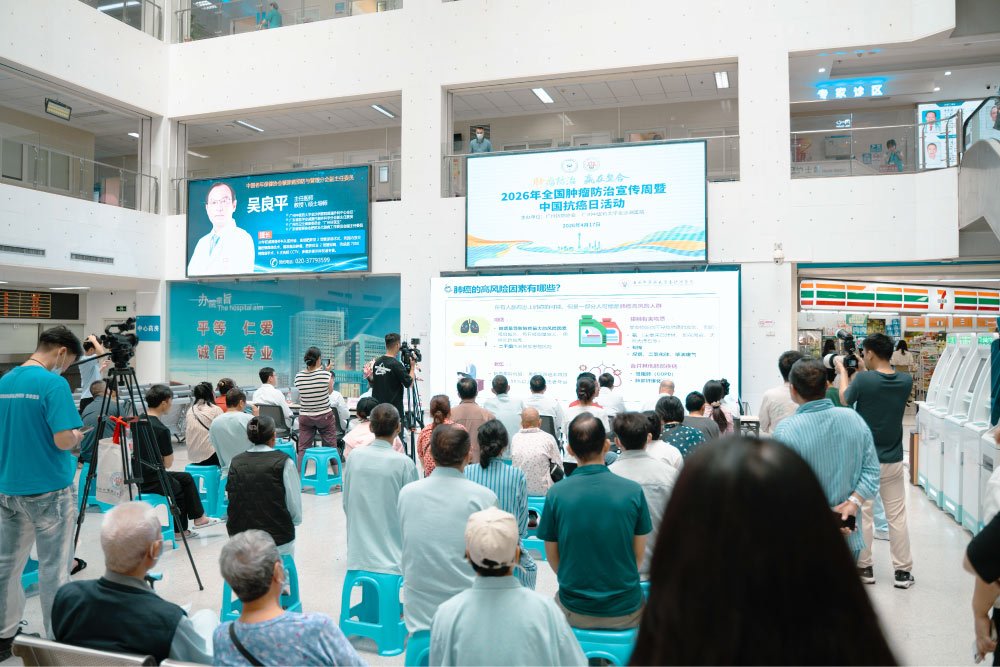
Interior environment of Jinshazhou Hospital in Guangzhou
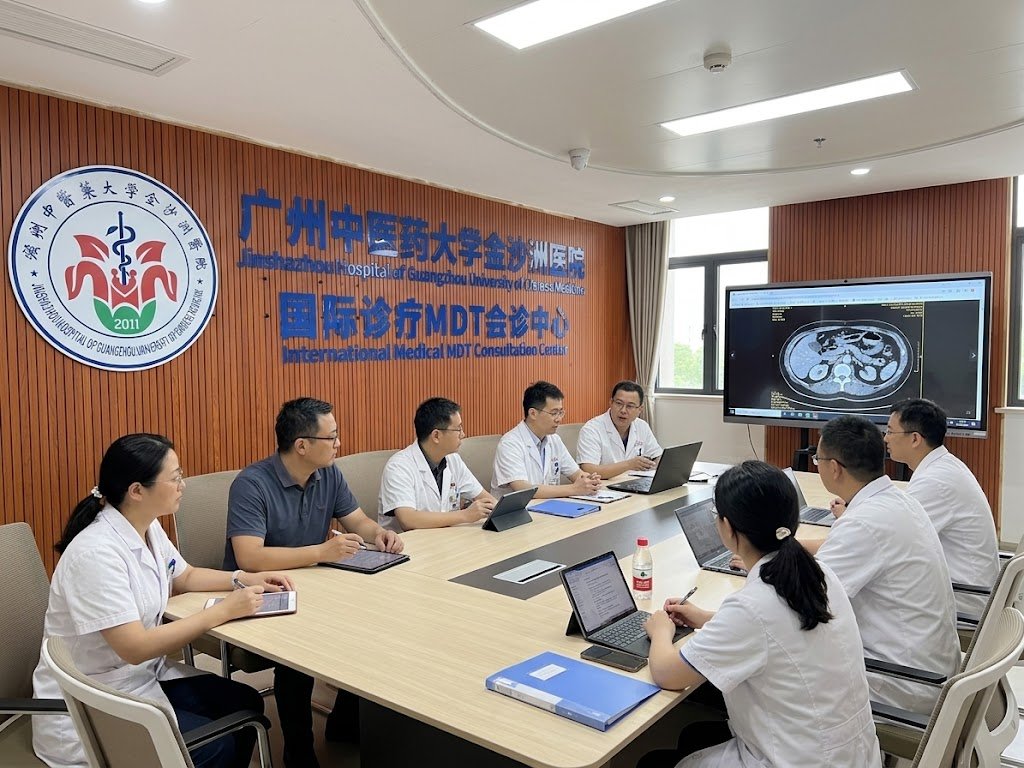
Multidisciplinary Team meeting at Jinshazhou Hospital
06 · RADIOTHERAPY CASE STORIES

The Value of Technology Is Not in Its Specifications, but in the Problems It Helps Solve for Patients.
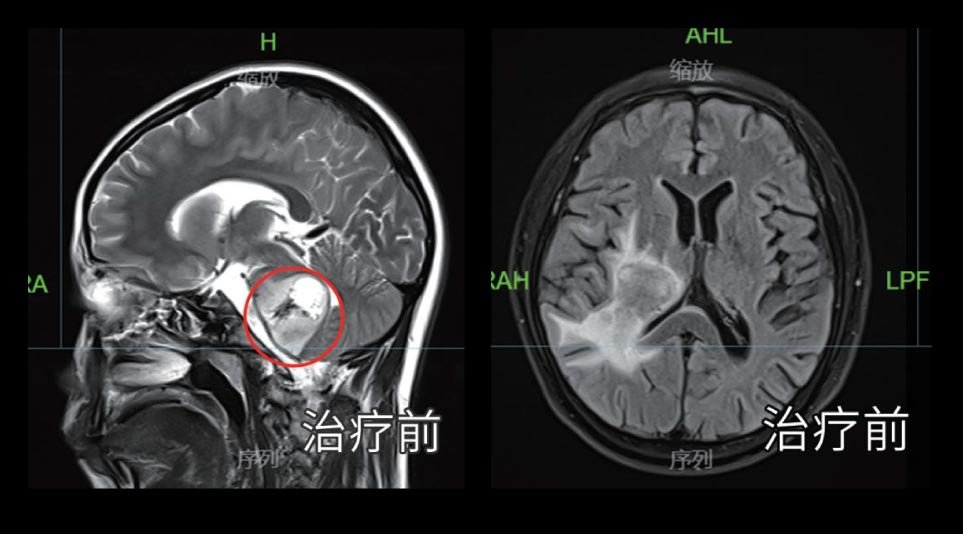
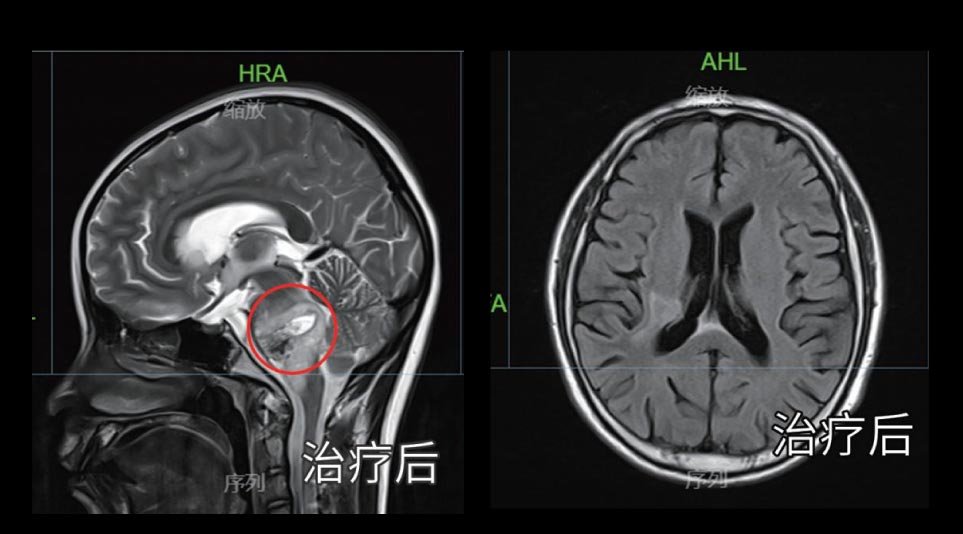
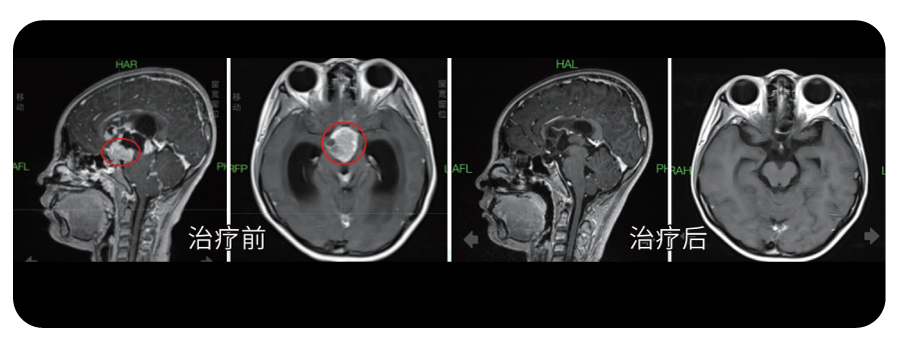
Brain MRI / CT before treatment in a 9-year-old child with an intracranial tumor
Follow-up imaging after treatment in a 9-year-old child with an intracranial tumor
CYBERKNIFE · BRAIN

Intracranial Tumor in a 9-Year-Old Child

High-precision radiotherapy was used to control the lesion while minimizing radiation exposure to surrounding critical brain structures as much as possible.

BeforeSymptoms included unclear speech and an unsteady gait.
AfterHospital case records reported improvement in the related neurological symptoms.
Precision is not only about targeting the tumor — it is also about protecting a child’s future quality of life as much as possible during treatment.
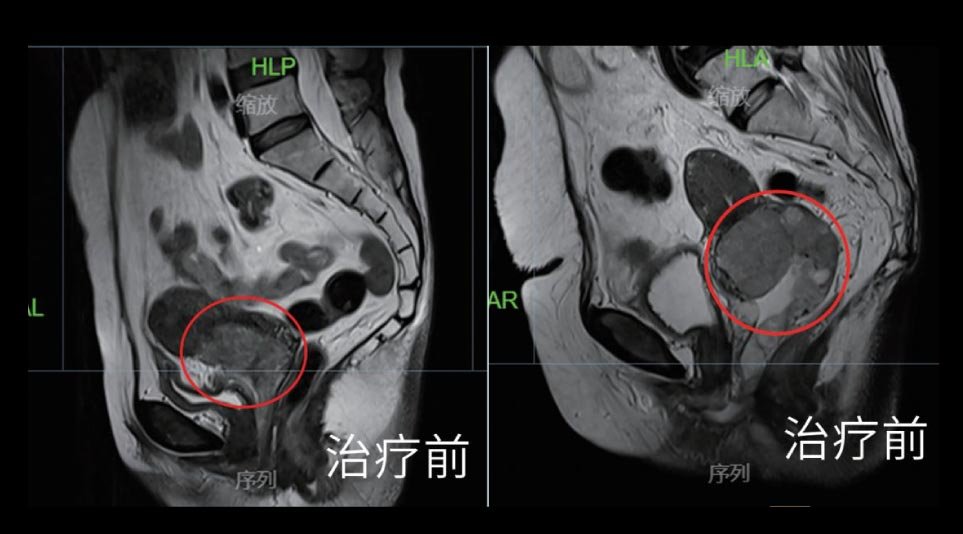
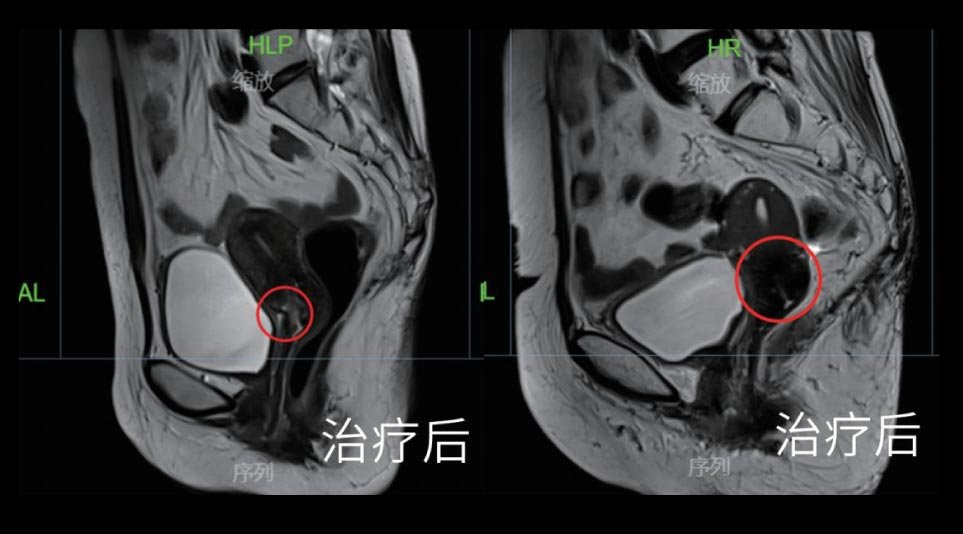
Imaging before treatment for a large Stage IIIB cervical cancer tumor
Imaging after treatment for a large Stage IIIB cervical cancer tumor
EXTERNAL BEAM + BRACHYTHERAPY

Stage IIIB Cervical Cancer · Large Tumor Case

External beam radiotherapy was combined with brachytherapy to intensify local treatment through coordinated external and intracavitary radiation.
Case highlight: Imaging showed marked regression / resolution of the large tumor after treatment.
Statements such as “uterus preservation” should only be used after confirming the patient’s actual surgical history and hospital records.
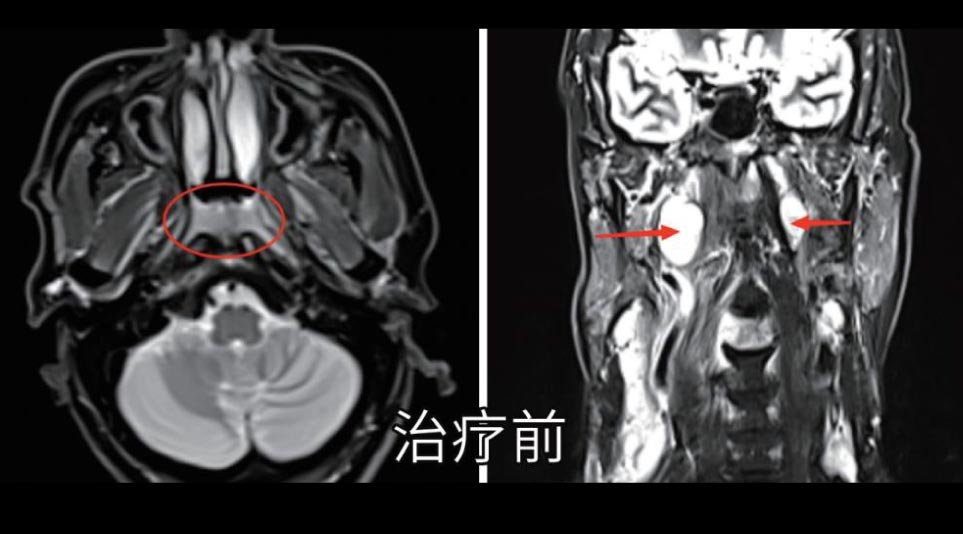
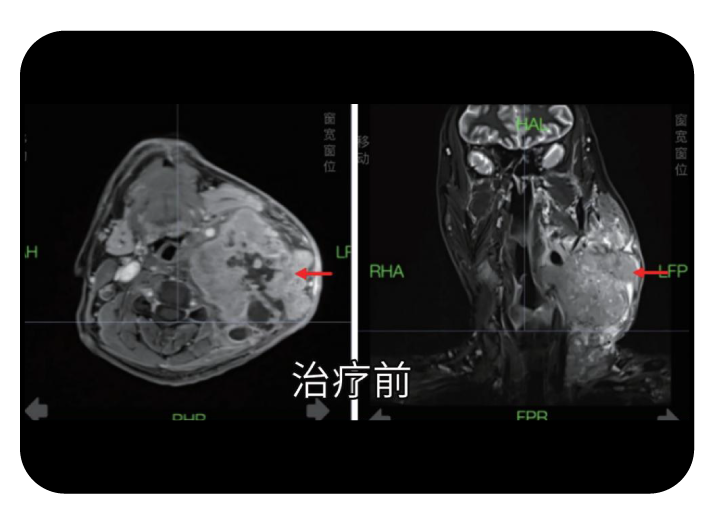
Imaging before definitive radiotherapy for nasopharyngeal cancer
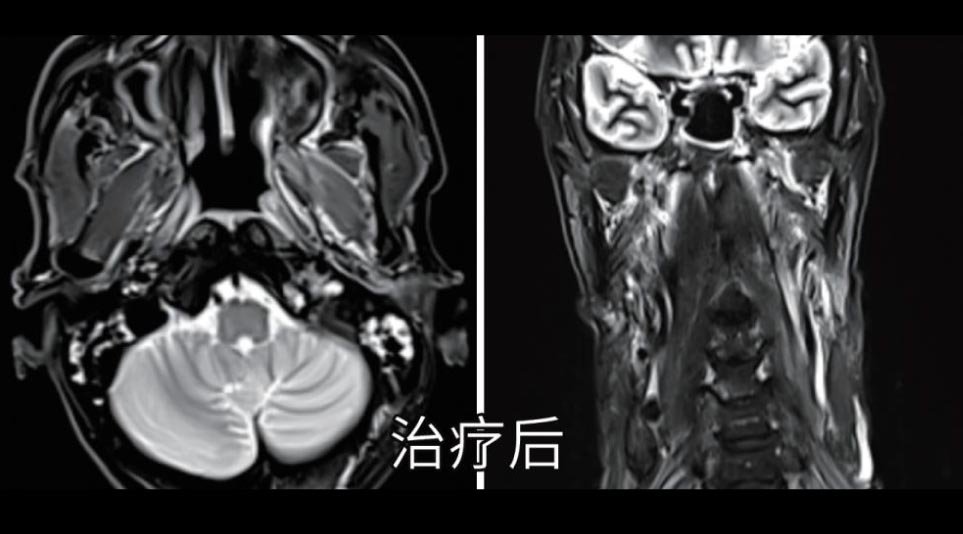
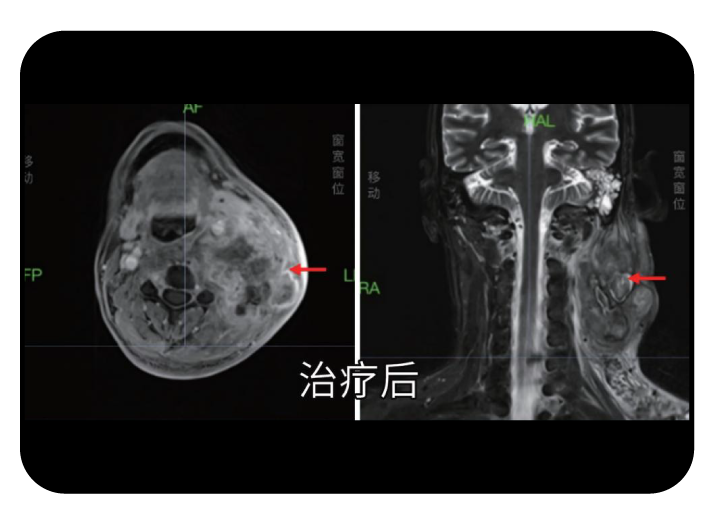
Follow-up imaging after definitive radiotherapy for nasopharyngeal cancer
TOMOTHERAPY · NASOPHARYNGEAL

Definitive Radiotherapy for Nasopharyngeal Cancer

TomoTherapy can provide precise dose coverage for complex head and neck targets while limiting radiation exposure to nearby critical organs as much as possible.
Primary Tumor + Cervical Lymph Nodes · Before / After
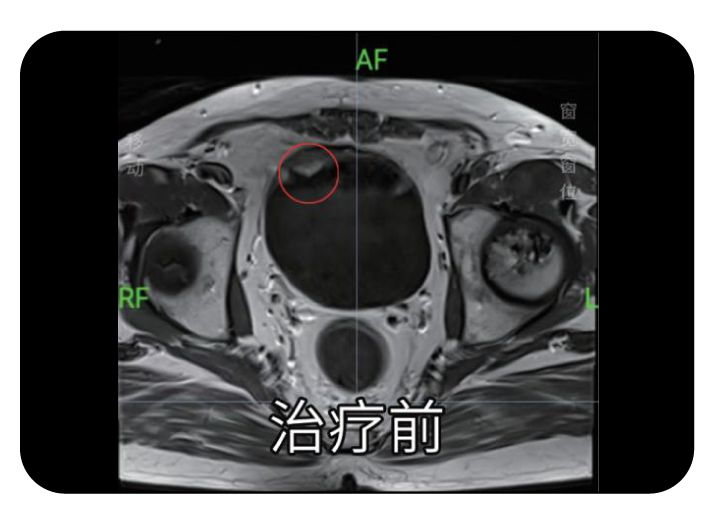
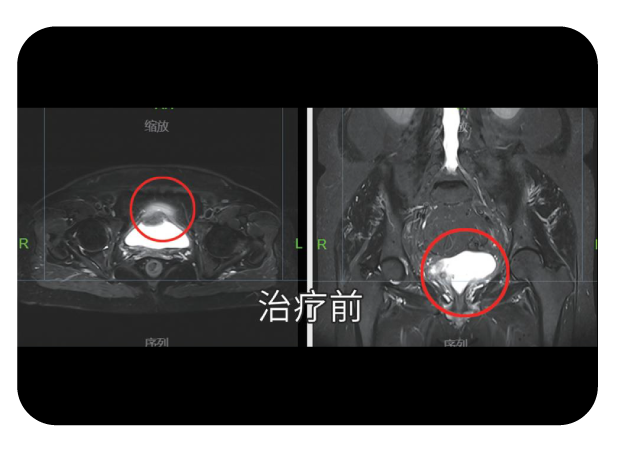
Imaging before adaptive radiotherapy for bladder cancer
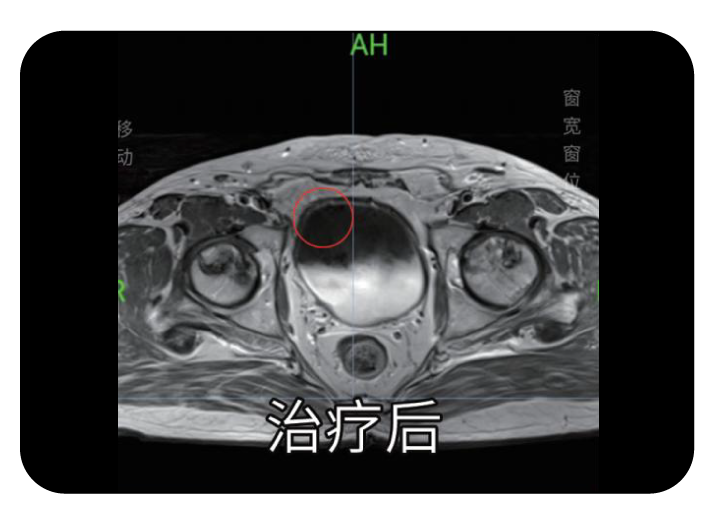
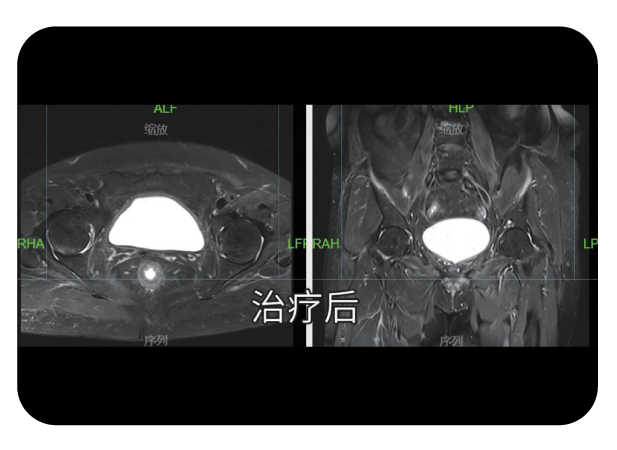
Follow-up imaging after adaptive radiotherapy for bladder cancer
ETHOS · ADAPTIVE RT

Bladder Cancer · Adaptive Radiotherapy Case

The bladder can change in size and position from day to day. Ethos can use daily imaging to reassess anatomy and support online adaptive planning in suitable cases.
Key message: “When the anatomy changes, the treatment plan can adapt with it.”
Imaging before precision radiotherapy for nasopharyngeal cancer
Follow-up imaging after precision radiotherapy for nasopharyngeal cancer
TRUEBEAM · HEAD & NECK

Precision Radiotherapy for Nasopharyngeal Cancer

Image guidance together with IMRT / VMAT can help cover the tumor target while also protecting surrounding normal tissues.
Changes in the Primary Nasopharyngeal Tumor and Lymph Nodes
Imaging before high-efficiency precision radiotherapy for bladder cancer
Follow-up imaging after high-efficiency precision radiotherapy for bladder cancer
HALCYON · BLADDER

Bladder Cancer · High-Efficiency Precision Radiotherapy

Halcyon emphasizes rapid image guidance and an efficient treatment workflow, helping reduce time on the treatment couch in suitable cases.
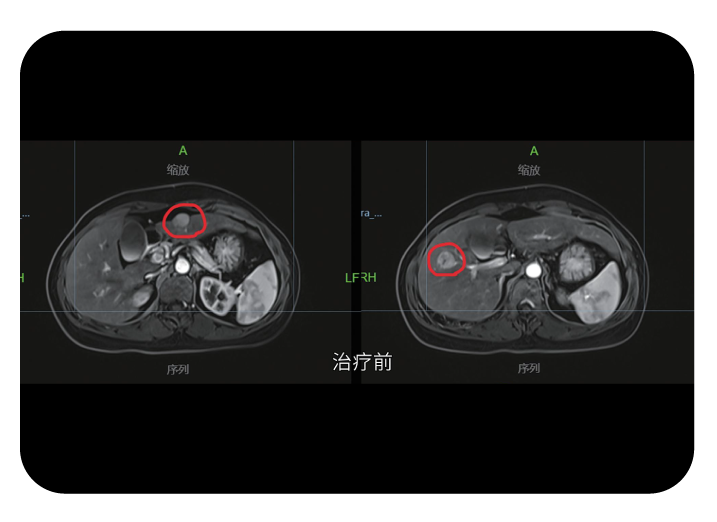
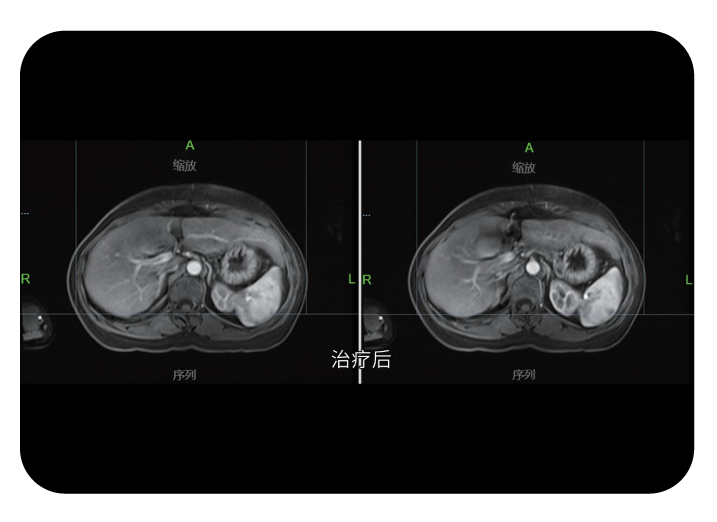
Imaging Comparison of the Local Lesion Before and After Treatment
Imaging before stereotactic radiotherapy for a liver tumor
Follow-up imaging after stereotactic radiotherapy for a liver tumor
CYBERKNIFE · LIVER

Stereotactic Radiotherapy for a Liver Tumor

For liver lesions that move with respiration, CyberKnife can combine tracking technology with high-precision treatment in suitable cases.

Lesion Size / Enhancement Area · Before & After
HYPERARC · BRAIN METASTASES

Multiple Brain Metastases · Integrated High-Precision Treatment

HyperArc provides an automated non-coplanar stereotactic radiotherapy workflow for multiple intracranial targets, enabling high-precision planning and treatment of multiple brain metastases in suitable patients.
Imaging and treatment plan for integrated high-precision treatment of multiple brain metastases
PROTON THERAPY

Proton Therapy · Further Normal-Tissue Protection for Selected Patients

By using the physical properties of the Bragg Peak, proton therapy can reduce unnecessary dose to some normal tissues and may be particularly valuable for children and tumors located near critical organs.
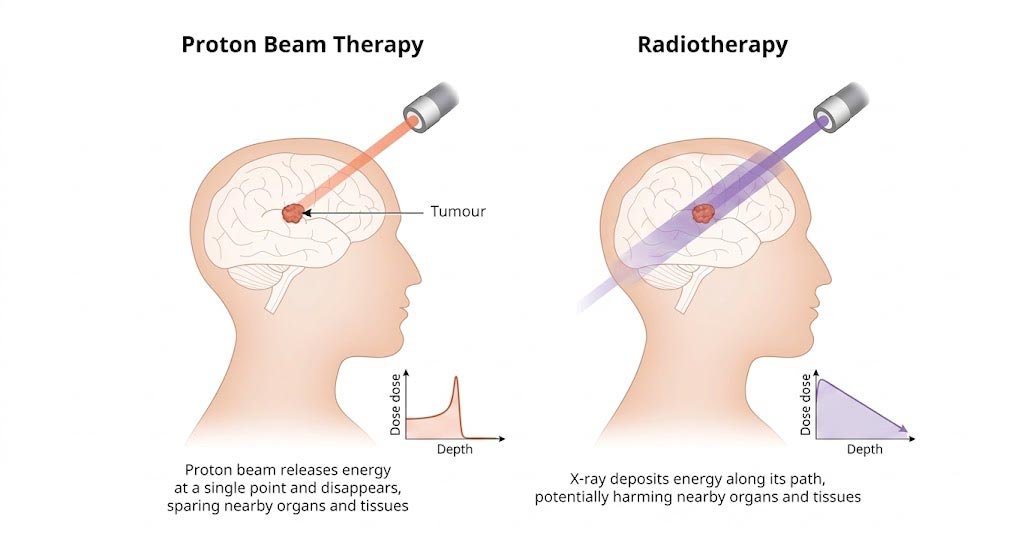
Proton therapy case and dose distribution image
Please refer to the hospital’s latest official information for the current clinical availability status of its proton therapy system.
← SWIPE TO EXPLORE MORE CASES →
07 · EXPERIENCE DENSITY

High Case Volume,
Building High-Density Clinical Experience.

Cancer treatment depends not only on equipment and technology, but also on the clinical judgment developed through long-term experience with a high volume of complex and diverse cases. In a high-volume oncology environment, doctors more frequently face difficult decisions involving different stages, recurrence, metastases and disease progression after previous treatments.

HIGH-VOLUME ONCOLOGY CARE

Experience Is Not Just About “Doing More” —
It Is About Seeing More Complex Situations.

Hospital data indicate approximately 600 radiotherapy sessions per day and more than 60,000 cancer patients treated annually. This continuous, high-density clinical exposure provides an important experience base for radiotherapy planning, complication management, complex metastatic disease and multidisciplinary decision-making.

600+ Radiotherapy Sessions per Day*
60,000+ Cancer Patients Treated Annually*
20+ Oncology Treatment Technologies
MDT Multidisciplinary Decision-Making
INTEGRATED CARE

Beyond Precision Treatment,
We Also Focus on the Patient as a Whole.

Alongside standard oncology treatment, an integrated Chinese and Western medicine care approach may also focus on treatment tolerance, symptom control, nutrition, recovery status and long-term management.

Treatment Tolerance Monitor physical condition and treatment-related adverse effects throughout therapy.
Symptom Management Comprehensive management of pain, sleep, appetite and treatment-related symptoms.
Recovery Support Continued attention to recovery, nutrition and follow-up arrangements after treatment.
Technology determines what can be done. Experience helps determine when to do it, how to do it and how far treatment should go. *Case-volume figures follow hospital-provided data and may be updated according to the latest official hospital statistics before publication.
WHY MDT MATTERS

The Biggest Risk in Cancer Treatment Is Not “Having No Options” — It Is When Each Specialty Sees the Problem Only from Its Own Perspective.

Complex cancers often involve surgical resectability, radiotherapy dose, systemic treatment response, organ function and future quality of life at the same time. The purpose of MDT is to bring the perspectives of different specialties together before treatment begins.
01
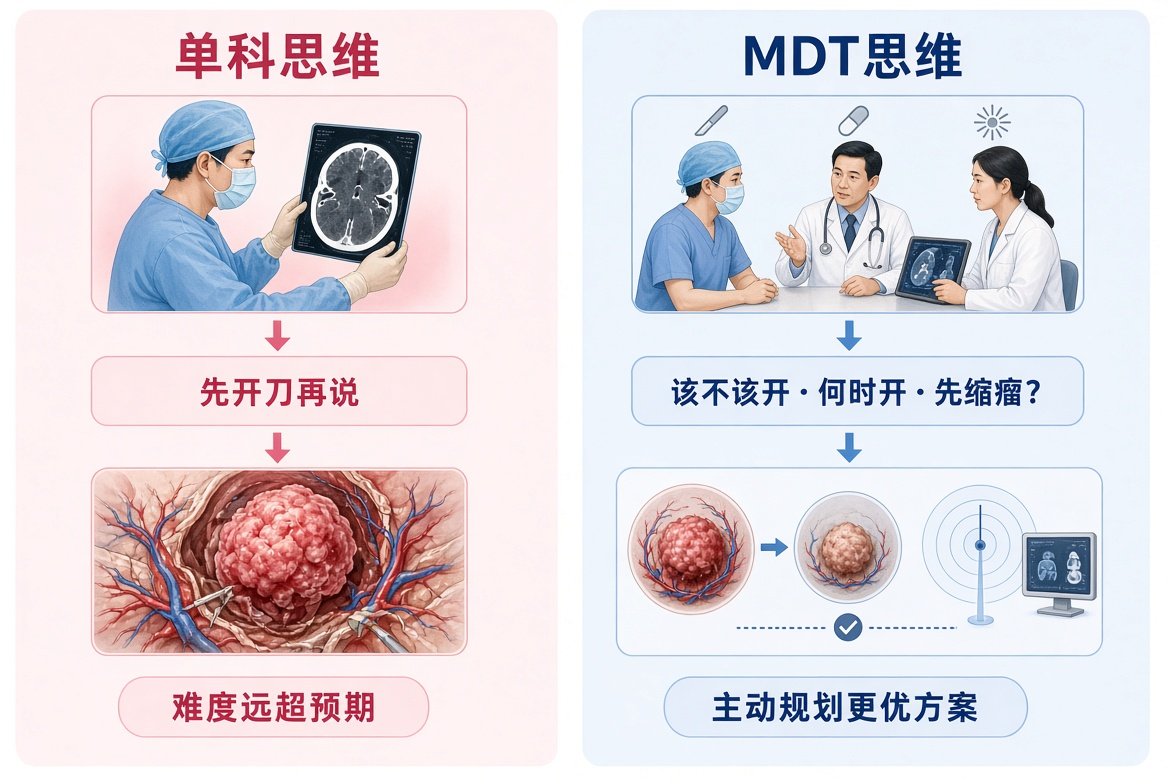
SURGERY-FIRST RISK
MDT multidisciplinary assessment before surgery for a complex tumor

“Operate First and Decide Later” May Reveal Unexpected Complexity Only After Surgery Has Begun.

In some complex tumors, if the extent of invasion, vascular involvement or distant metastases are not fully assessed before surgery, the team may only discover during the operation that complete and safe resection is not possible — and the procedure may even need to be stopped.
Single-Specialty Thinking Starts with: “Can we operate?”
MDT Thinking First asks: “Should we operate, when should we operate, and should the tumor be reduced before surgery?”
02
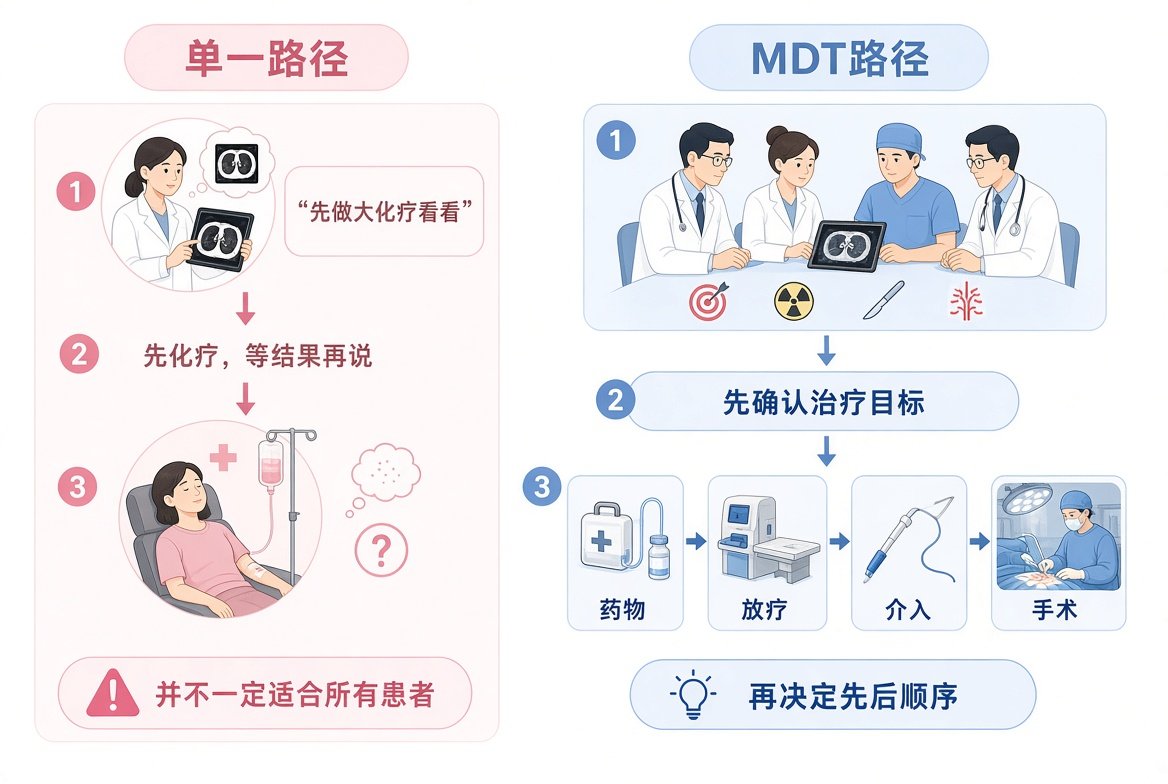
CHEMO-FIRST RISK
MDT multidisciplinary treatment assessment before chemotherapy

“Try Intensive Chemotherapy First” Is Not Necessarily Right for Every Patient.

If molecular subtype, tumor burden, local symptoms and other treatment opportunities are not considered together, using chemotherapy simply as a “first try” may expose the patient to significant side effects and may also delay a more suitable local or combined treatment opportunity.
Single Pathway Start chemotherapy first and decide what comes next based on the response.
MDT Pathway First define the treatment goal, then decide the sequence of systemic therapy, radiotherapy, interventional treatment or surgery.
03
RADIOTHERAPY PLANNING
MDT treatment planning and dose assessment for precision radiotherapy

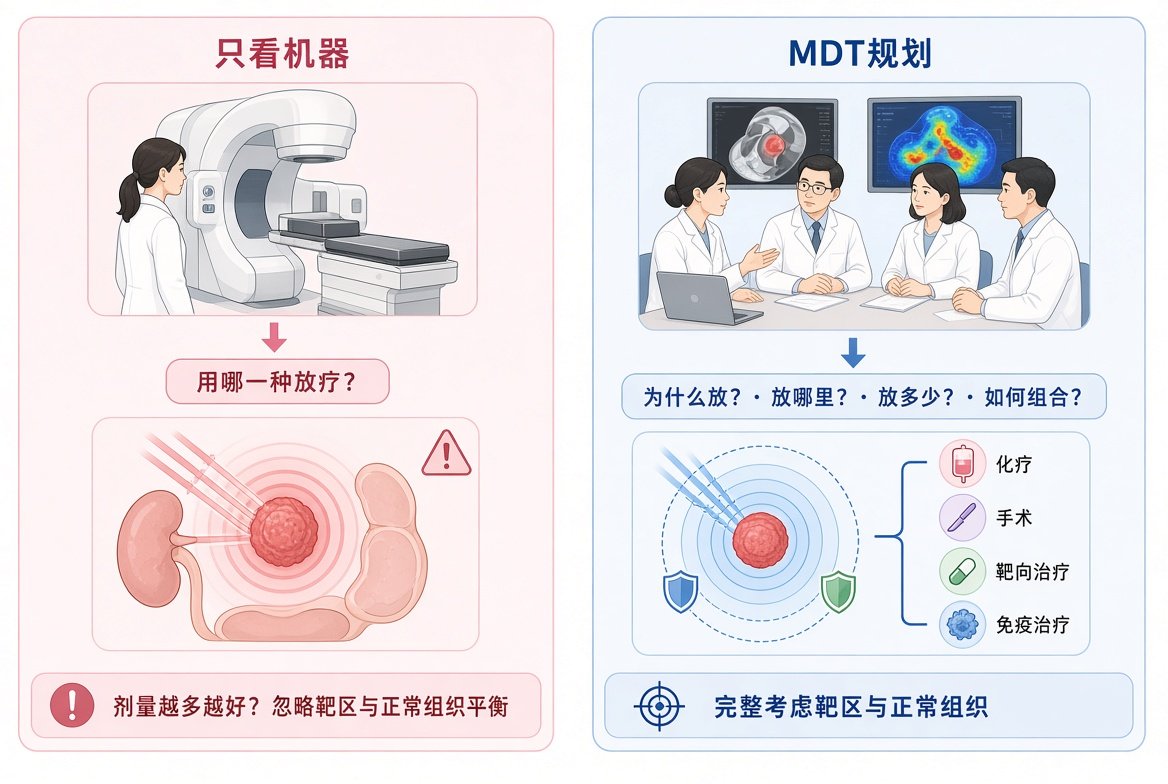
Radiotherapy Is Not About “More Dose Is Better” — It Requires Full Consideration of the Target and Normal Tissues.

Whether using photon therapy, particle therapy or other precision radiotherapy techniques, the goal is not simply to increase dose. The target area, organ tolerance, previous radiation history and overall systemic treatment strategy must be considered together to control the tumor while avoiding unnecessary damage to normal tissues.

Machine-First Thinking Focuses mainly on: “Which radiotherapy technology should we use?”
MDT Planning First asks: “Why radiotherapy, where should we treat, how much dose, and how should it be combined with other treatments?”
Decide the Pathway First,
Then Choose the Technology.
This Is the Fundamental Difference Between MDT and Simply Receiving Whatever Treatment One Department Provides.

Surgery, radiation oncology, medical oncology, interventional oncology, imaging and pathology work together, allowing possible pathways, risks and alternatives to be discussed before treatment begins.

08 · INTERNATIONAL PATIENT JOURNEY

From Your First Consultation,
to Arriving in Guangzhou for Treatment.

For international patients, the biggest concern is often not the treatment itself, but knowing what to do first, what to prepare and who will assist after arriving in Guangzhou. That is why the entire journey should be as simple, clear and efficient as possible.

FAST COORDINATION In as Fast as 24 Hours,
We Can Start Coordinating the Next Step.

After receiving your medical reports, the team can first organize and conduct a preliminary review, then coordinate an online consultation, treatment timing and travel arrangements to Guangzhou, helping reduce uncertainty from long waiting times and repeated registration processes.

Medical Report Review Online Consultation No Long Queue Fast Arrangement
HOME COUNTRY → GUANGZHOU

Once the Treatment Plan Is Confirmed,
You Can Begin Preparing for the Journey.

Home Country Medical review & consultation
Arrive in Guangzhou Admission & treatment coordination
01
MEDICAL REPORT Send Your Existing Medical Reports Start by organizing pathology reports, imaging, previous treatment records and current medications.
02
ONLINE REVIEW Arrange an Online Consultation & Treatment Discussion Discuss the next examinations, possible treatment direction and approximate timeline based on the available records.
03
TRAVEL PREPARATION Confirm the Date & Prepare for Guangzhou Once you decide to proceed, coordinate flights, passport preparation, airport transfer and hospitalization arrangements.
04
ARRIVE & START Arrive in Guangzhou & Begin the Treatment Process After arrival, proceed with registration, examinations, admission and formal treatment arrangements.
You Do Not Need to Have Everything Decided First — the First Step Is Simply to Send Us Your Existing Medical Records. Our international patient service team will help identify what additional information may be needed and whether further arrangements are appropriate.
START MEDICAL REVIEW →
09 · GLOBAL CONTINUITY OF CARE

Treatment May End,
but Medical Continuity Should Not.

After returning home, international patients may still need follow-up examinations, medication, imaging assessment or adjustments to the next stage of treatment. That is why care in Guangzhou and continued medical follow-up at home are considered as part of one connected pathway.

FROM GUANGZHOU · BACK HOMEIt Is Not About Completing One Treatment,
but About Maintaining Continuity of Care.

Before discharge, treatment records and follow-up plans are organized. After returning home, local examinations, medication and online reassessment can be coordinated as needed, allowing the China-based treatment team to remain informed of subsequent changes.

Treatment RecordsFollow-up PlanLocal CareOnline Review
INTERNATIONAL CARE NETWORK

Guangzhou connects with
your continuing care at home.

JINSHAZHOU
HOSPITAL
GUANGZHOU
Malaysia
Singapore
Indonesia
United Kingdom
Vietnam
Mongolia
Kazakhstan
Other Countries
01 · BEFORE RETURNING HOMEPrepare Treatment & Follow-Up RecordsOrganize treatment records, imaging, medications and recommendations for the next follow-up stage.
02 · LOCAL FOLLOW-UPCoordinate Follow-Up Care After Returning HomeArrange local follow-up examinations, medication infusions or other feasible ongoing care according to the treatment plan.
03 · ONLINE RE-EVALUATIONReconnect with the Guangzhou Team When NeededSend updated imaging or reports back for further discussion of treatment response and the next treatment direction.
The Most Important Part of Cross-Border Care Is Not Simply Coming to China — It Is Knowing What the Next Step Is After You Return Home.Follow-up arrangements are coordinated individually according to the patient’s location, local medical resources and actual treatment needs.
10 · REAL PATIENT STORIES / VIDEO TESTIMONIALS

Real Treatment Experiences,
Helping You Make More Informed Medical Decisions.

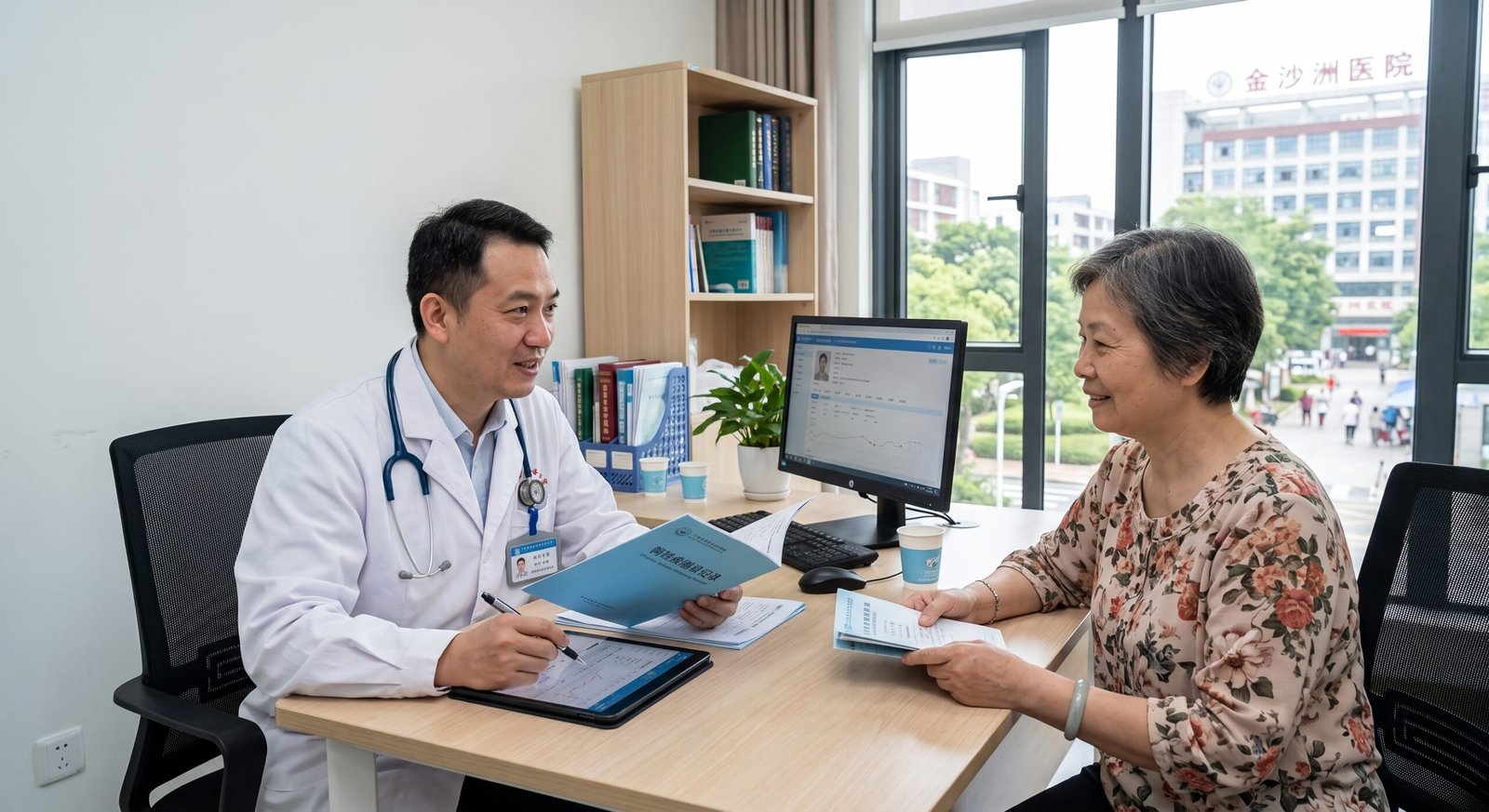
From complex cancer treatment to the experiences of elderly patients, we share real patient journeys together with hospital technologies, the treatment environment and practical information for international patients — helping you gain a clearer and more complete understanding before making a decision.

11 · START YOUR MEDICAL REVIEW

Not Sure What the Next Treatment Step Should Be?
Start with a Medical Review.

If you are considering further evaluation or treatment in Guangzhou, you can begin by submitting your existing medical reports, imaging and treatment records. The medical team will review the available information to better understand your condition and discuss whether further assessment or treatment options may be appropriate.

Medical Reports Pathology / IHC CT / MRI / PET Previous Treatment Medication History
Initial review is based on the medical information provided. Final diagnosis and treatment decisions may require in-person assessment and additional examinations.