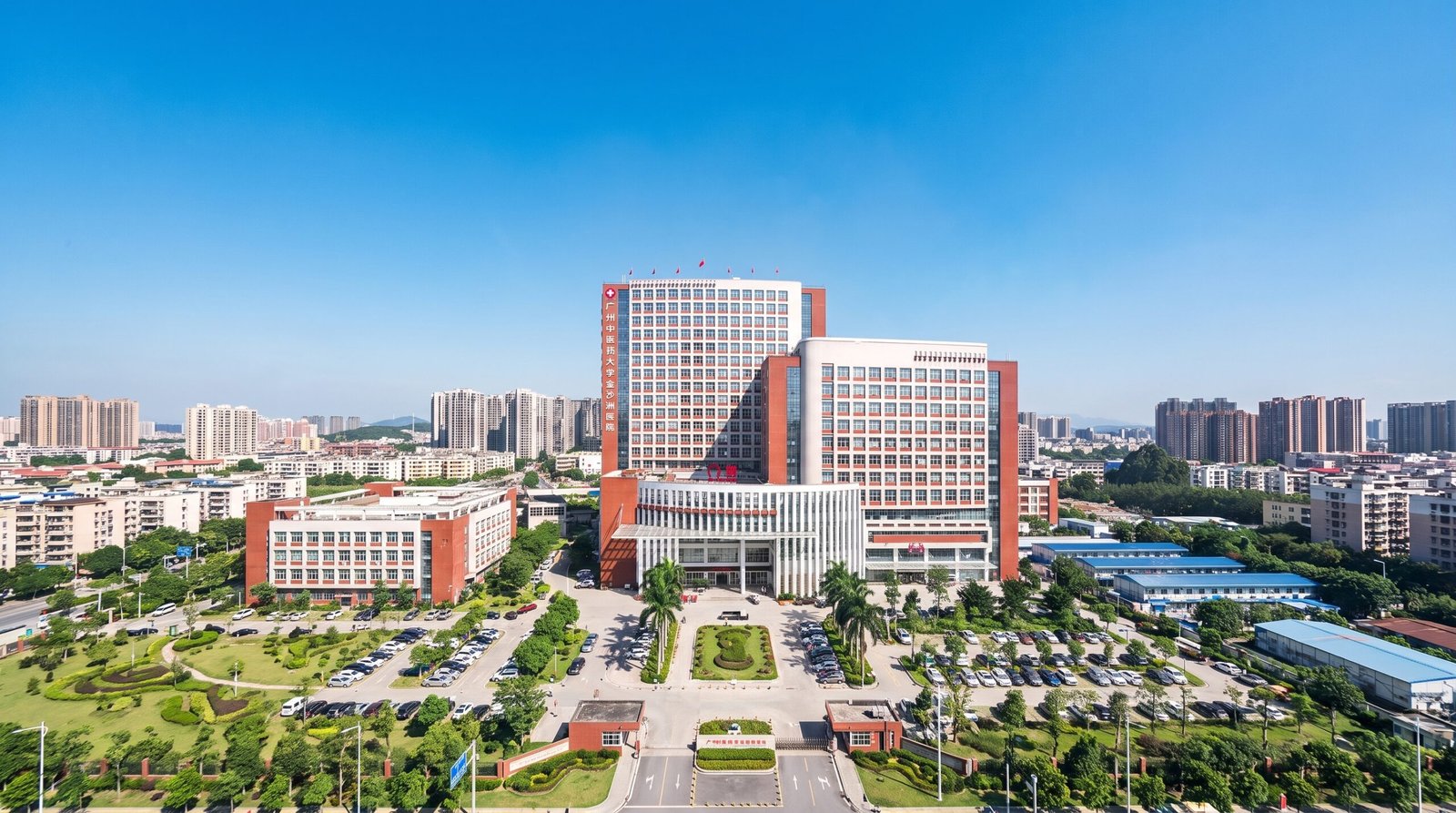
Jinshazhou Hospital · Cancer Treatment in Guangzhou
Not Just Another Hospital,
But Another Path to Treatment.
For cancer patients worldwide, we connect precision diagnosis and multidisciplinary evaluation with 20+ oncology treatment technologies to explore more possibilities for complex, recurrent and metastatic disease.
Why Are More International Patients
Coming to Guangzhou for Their Next Treatment Option?
It is not simply about seeking treatment in another country. It is about reassessing the possibilities — with access to more technologies, more treatment options, stronger multidisciplinary collaboration and a more coordinated care pathway.

to “Which options can we still consider?” Advanced oncology care · Multidisciplinary treatment · International patient support
Precision radiotherapy, interventional therapy, ablation, robotic surgery, targeted therapy and immunotherapy can be evaluated together as part of one coordinated treatment strategy.
Complex cases are reviewed by specialists from different disciplines to determine treatment priorities and reduce the limitations of a single-specialty perspective.
PET/MR, medical imaging, pathology and other necessary tests help reassess staging, disease extent and the remaining treatment possibilities.
Diagnostics, hospitalization, specialist consultations and oncology treatment can be coordinated within one integrated hospital system to improve treatment efficiency.
One Cancer Diagnosis
Should Not Have Only One Answer.
True personalized treatment does not place every patient into the same protocol. It means selecting and combining the most appropriate treatment pathways based on tumor location, stage, previous treatments, physical condition and treatment goals.
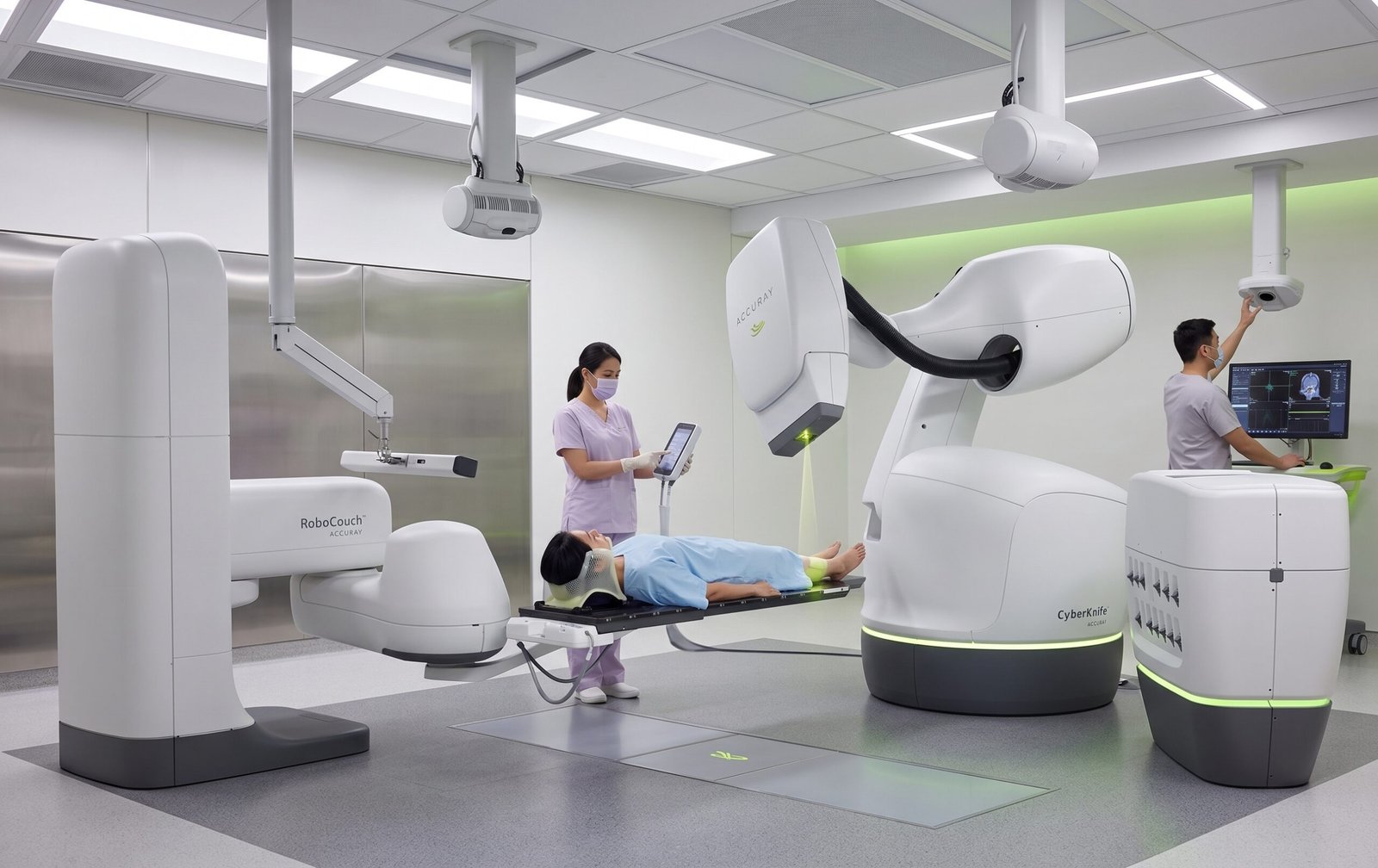
It Is About Which Combination Best Fits the Patient. Precision Radiotherapy · Surgery · Interventional Oncology · Targeted Therapy · Immunotherapy
More Treatment Options Create More Possibilities for the Right Combination.
For patients with complex, recurrent or metastatic disease, a single treatment is often not enough. A multi-platform approach allows the MDT to balance local treatment, systemic therapy and the patient’s overall tolerance more precisely.
About Us
The Cancer Center at Jinshazhou Hospital of Guangzhou University of Chinese Medicine provides cancer diagnosis, multidisciplinary team (MDT) consultation, precision radiotherapy and comprehensive oncology treatment, together with coordinated medical services for international patients from evaluation and treatment through follow-up care.
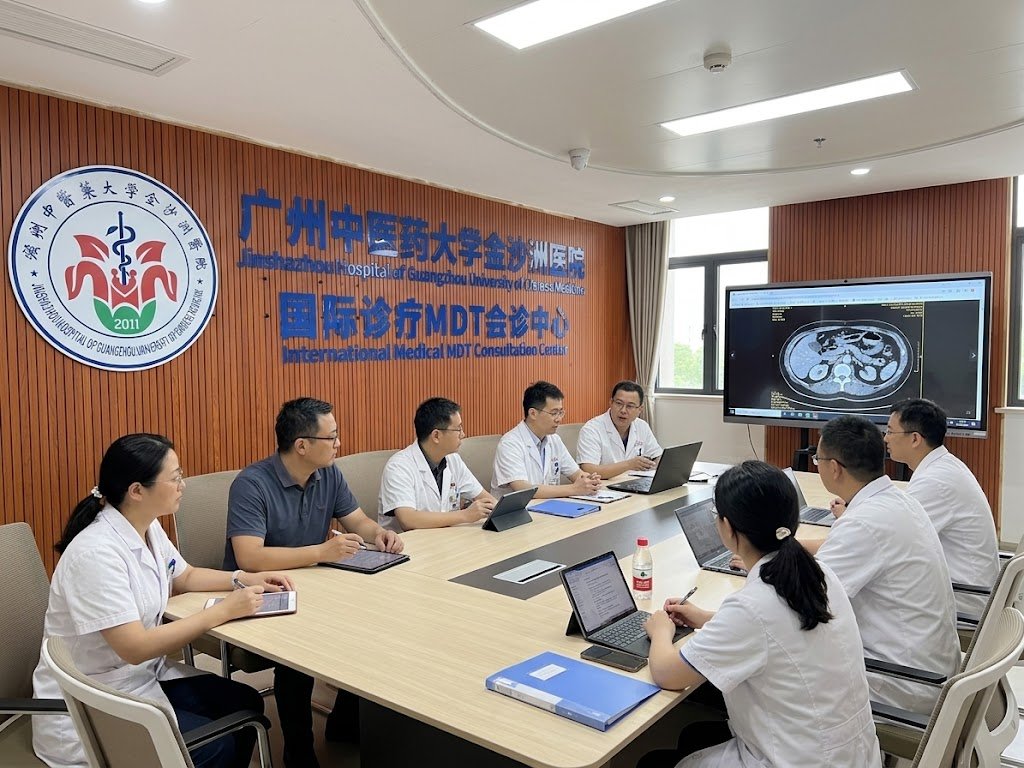
The Value of Technology Is Not in Its Specifications, but in the Problems It Helps Solve for Patients.
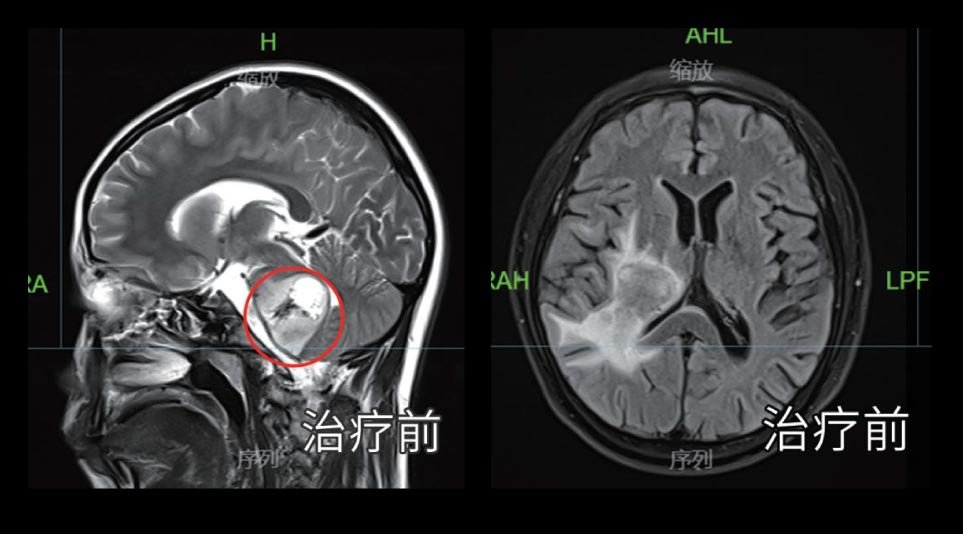
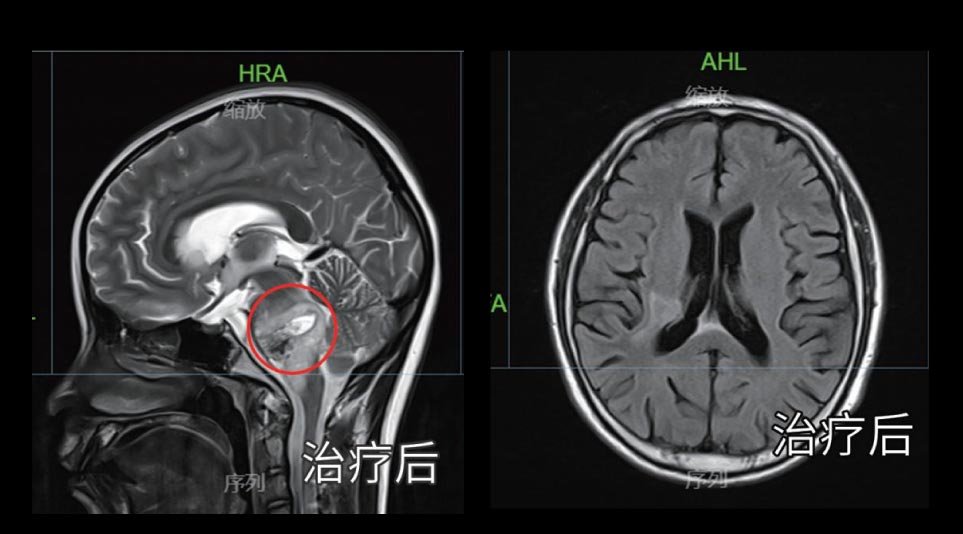
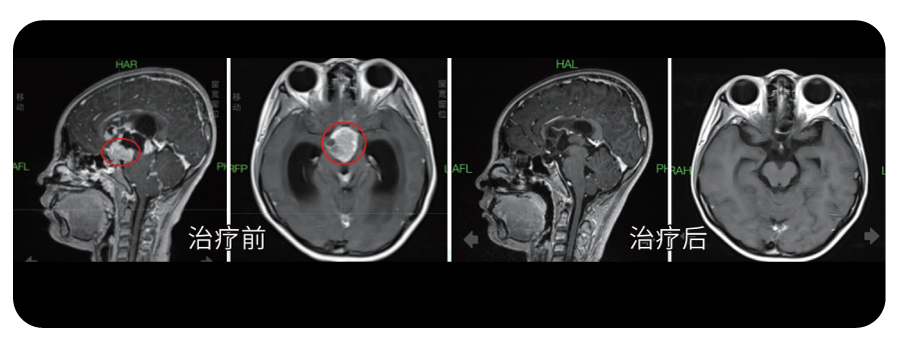
Intracranial Tumor in a 9-Year-Old Child
High-precision radiotherapy was used to control the lesion while minimizing radiation exposure to surrounding critical brain structures as much as possible.
Precision is not only about targeting the tumor — it is also about protecting a child’s future quality of life as much as possible during treatment.
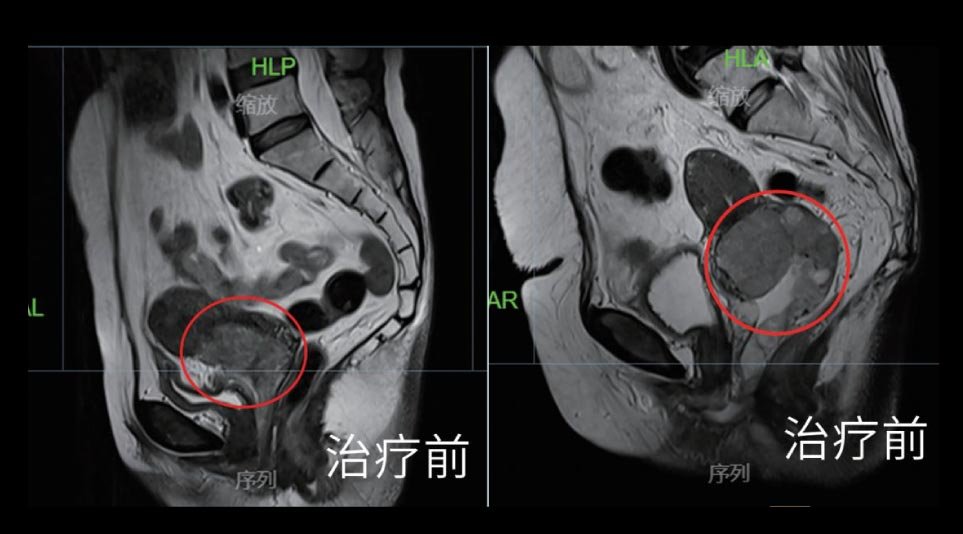
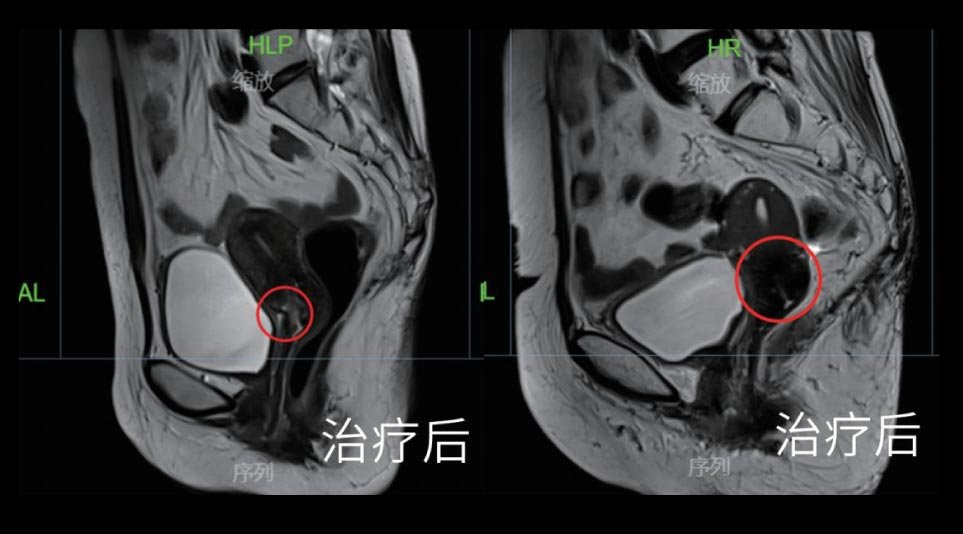
Stage IIIB Cervical Cancer · Large Tumor Case
External beam radiotherapy was combined with brachytherapy to intensify local treatment through coordinated external and intracavitary radiation.
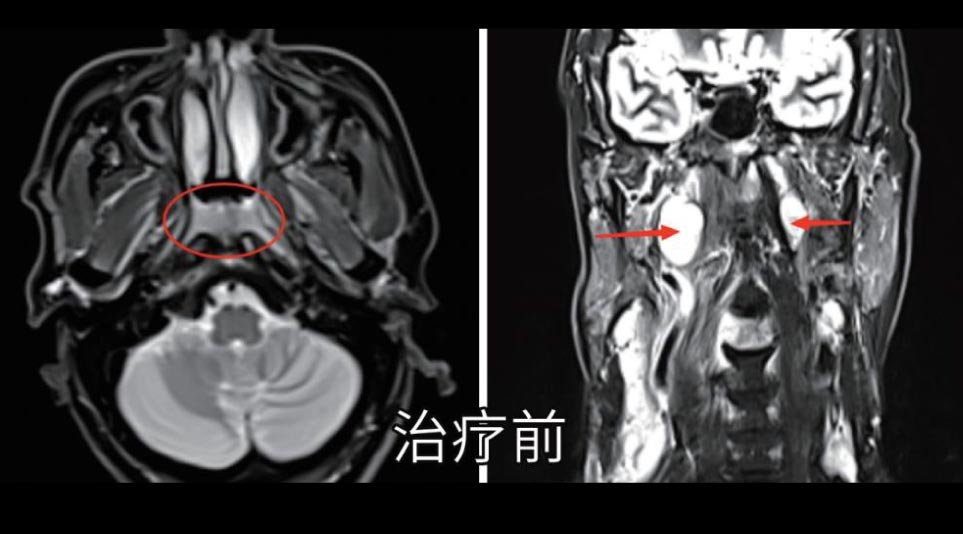
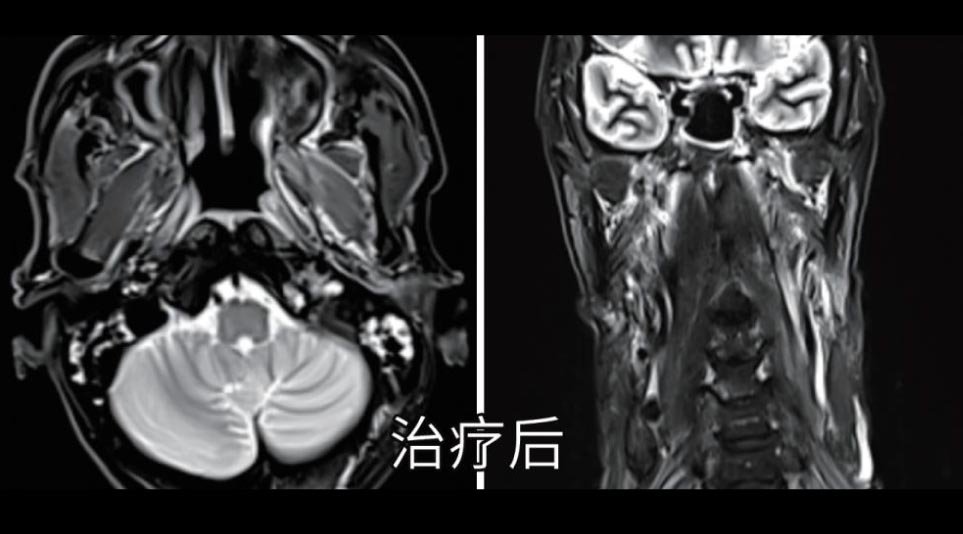
Definitive Radiotherapy for Nasopharyngeal Cancer
TomoTherapy can provide precise dose coverage for complex head and neck targets while limiting radiation exposure to nearby critical organs as much as possible.
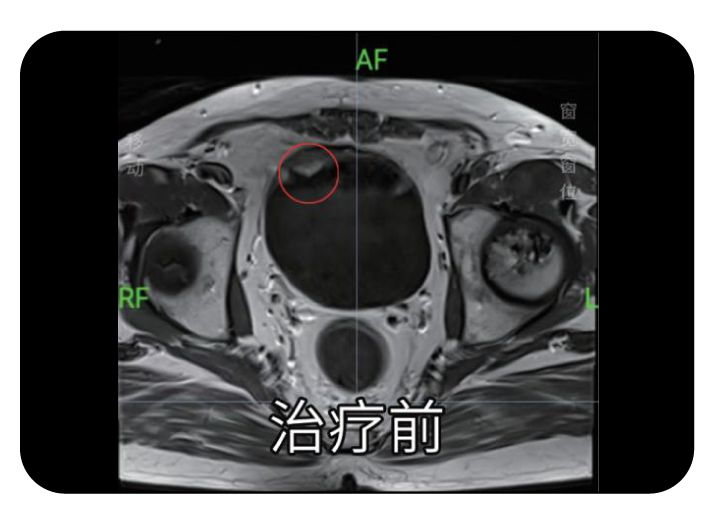
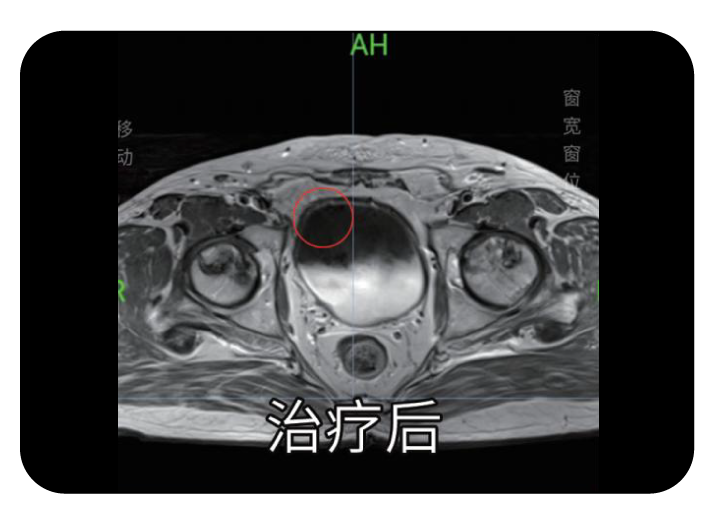
Bladder Cancer · Adaptive Radiotherapy Case
The bladder can change in size and position from day to day. Ethos can use daily imaging to reassess anatomy and support online adaptive planning in suitable cases.
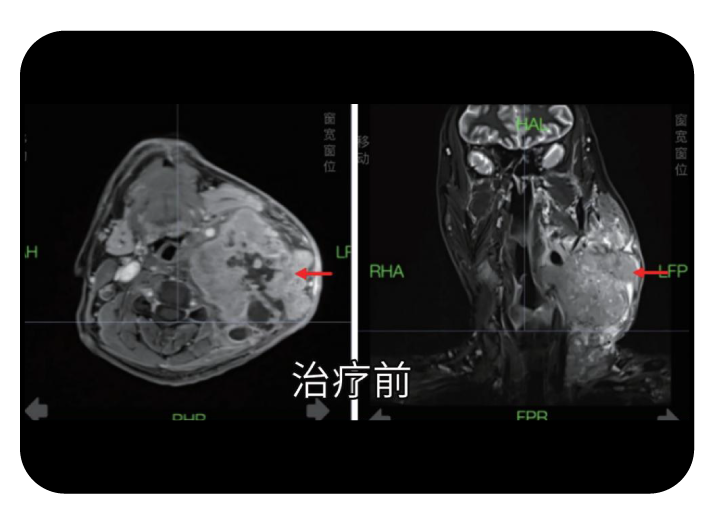
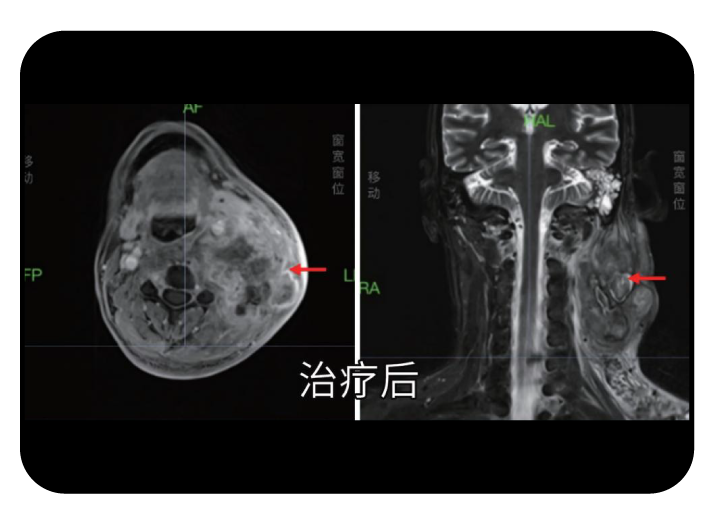
Precision Radiotherapy for Nasopharyngeal Cancer
Image guidance together with IMRT / VMAT can help cover the tumor target while also protecting surrounding normal tissues.
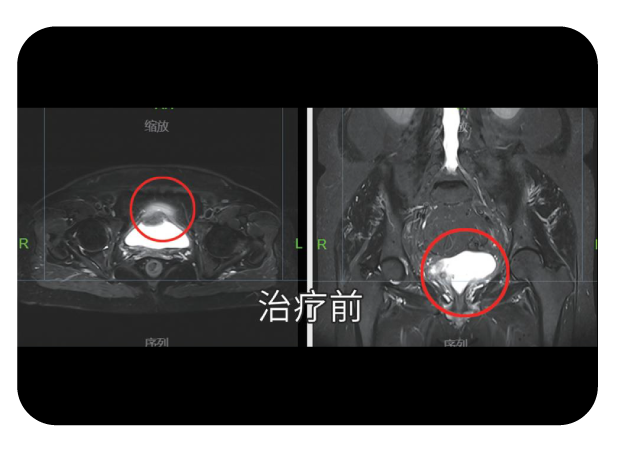
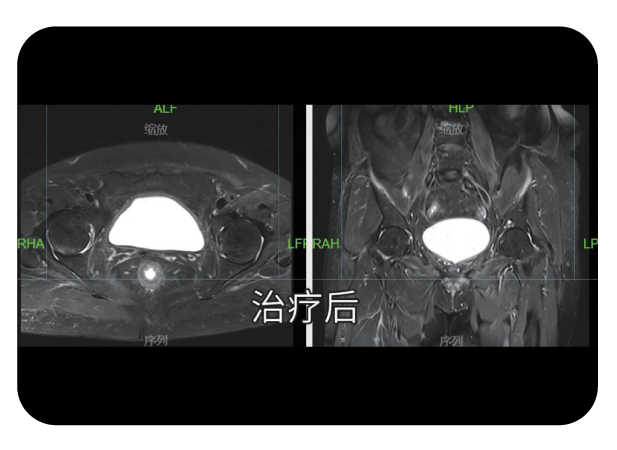
Bladder Cancer · High-Efficiency Precision Radiotherapy
Halcyon emphasizes rapid image guidance and an efficient treatment workflow, helping reduce time on the treatment couch in suitable cases.
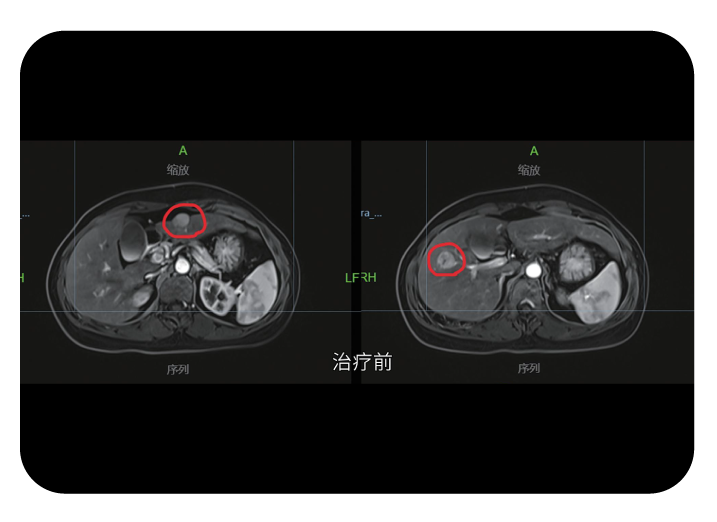
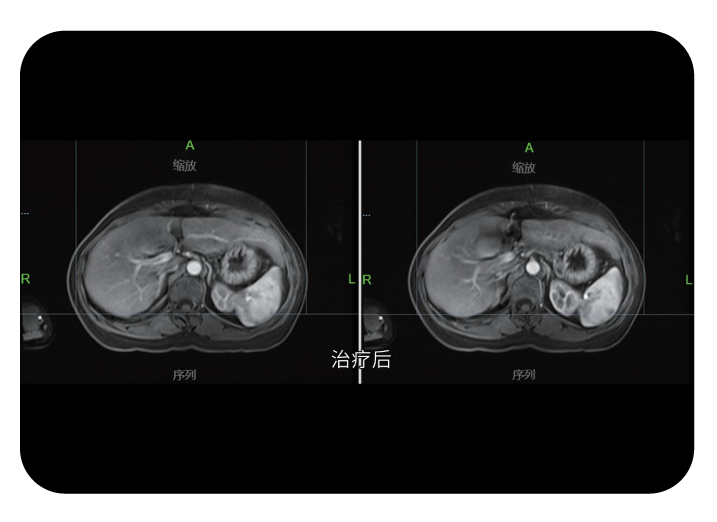
Stereotactic Radiotherapy for a Liver Tumor
For liver lesions that move with respiration, CyberKnife can combine tracking technology with high-precision treatment in suitable cases.
Multiple Brain Metastases · Integrated High-Precision Treatment
HyperArc provides an automated non-coplanar stereotactic radiotherapy workflow for multiple intracranial targets, enabling high-precision planning and treatment of multiple brain metastases in suitable patients.
Proton Therapy · Further Normal-Tissue Protection for Selected Patients
By using the physical properties of the Bragg Peak, proton therapy can reduce unnecessary dose to some normal tissues and may be particularly valuable for children and tumors located near critical organs.
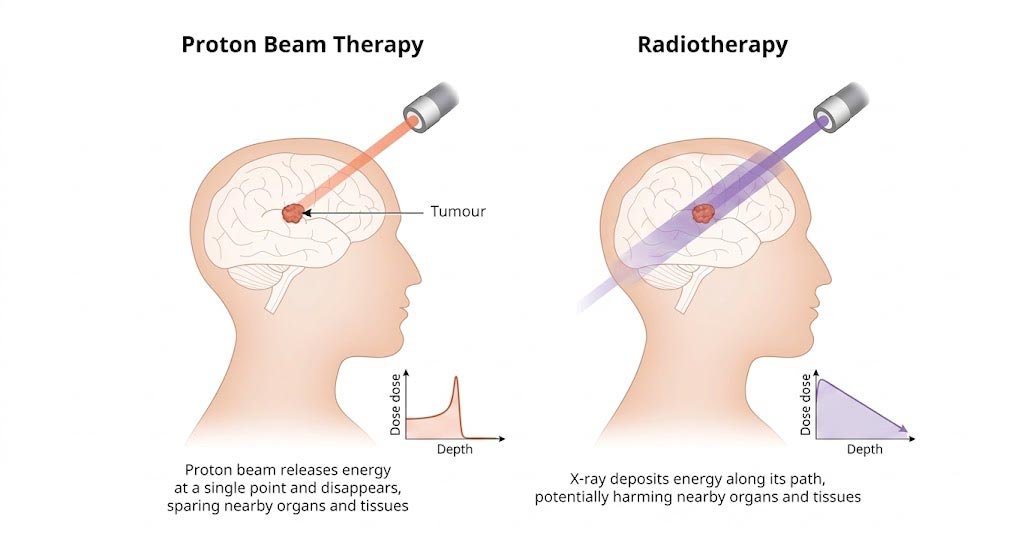
The Biggest Risk in Cancer Treatment Is Not “Having No Options” — It Is When Each Specialty Sees the Problem Only from Its Own Perspective.
Complex cancers often involve surgical resectability, radiotherapy dose, systemic treatment response, organ function and future quality of life at the same time. The purpose of MDT is to bring the perspectives of different specialties together before treatment begins.
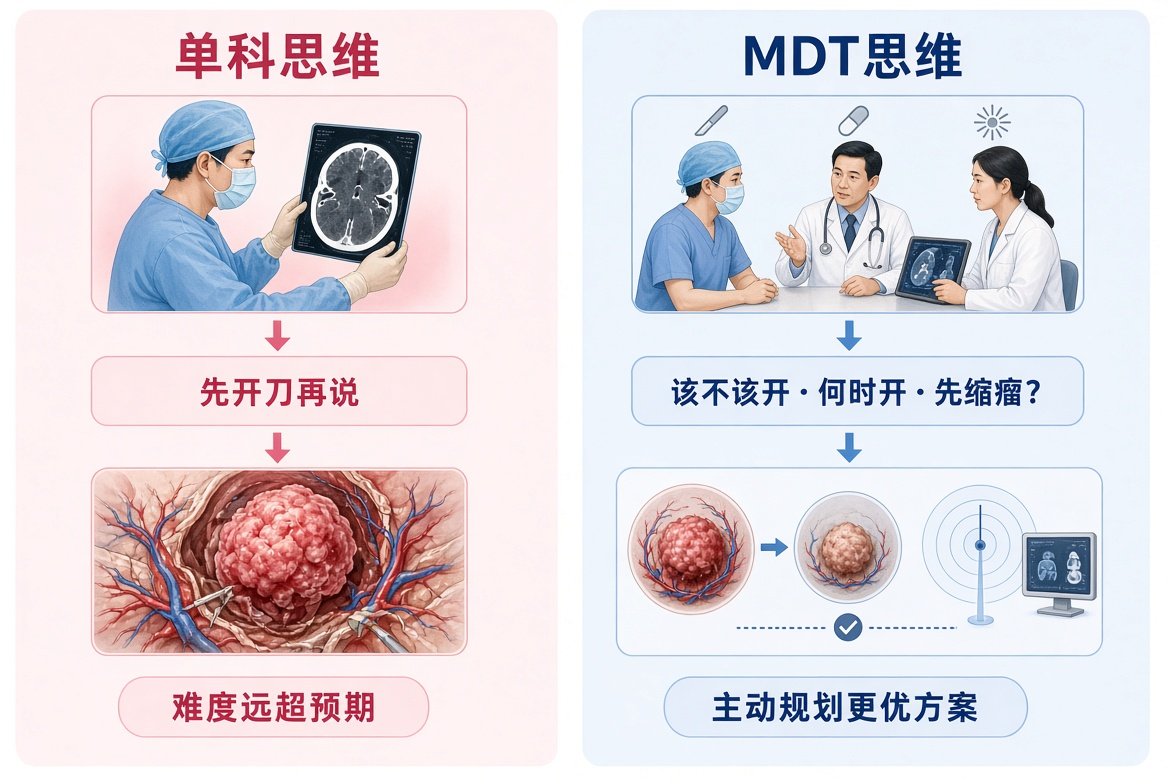
“Operate First and Decide Later” May Reveal Unexpected Complexity Only After Surgery Has Begun.
In some complex tumors, if the extent of invasion, vascular involvement or distant metastases are not fully assessed before surgery, the team may only discover during the operation that complete and safe resection is not possible — and the procedure may even need to be stopped.
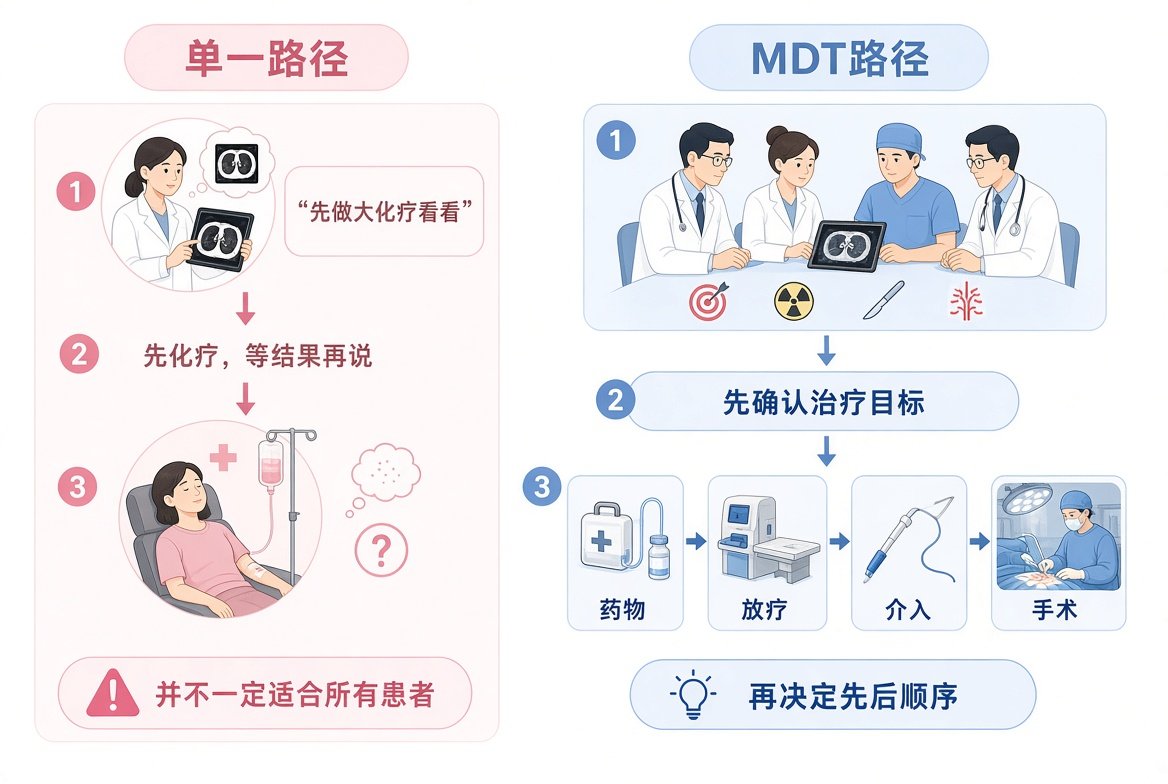
“Try Intensive Chemotherapy First” Is Not Necessarily Right for Every Patient.
If molecular subtype, tumor burden, local symptoms and other treatment opportunities are not considered together, using chemotherapy simply as a “first try” may expose the patient to significant side effects and may also delay a more suitable local or combined treatment opportunity.
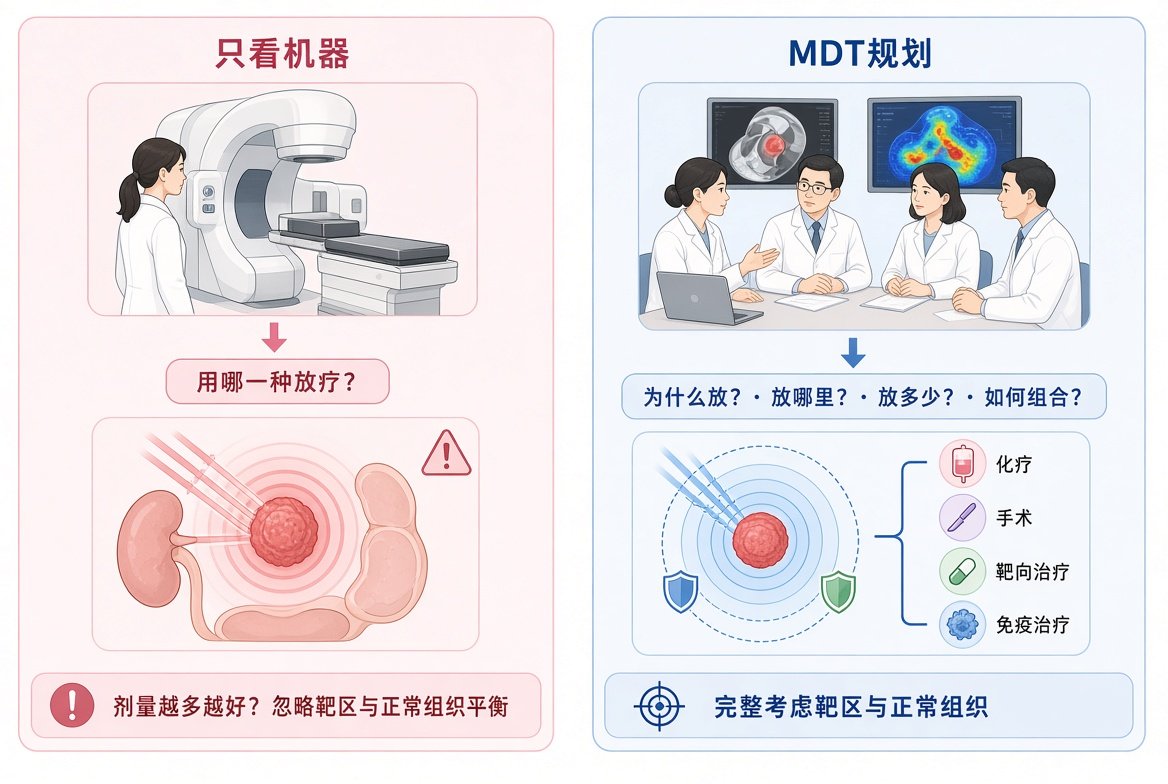
Radiotherapy Is Not About “More Dose Is Better” — It Requires Full Consideration of the Target and Normal Tissues.
Whether using photon therapy, particle therapy or other precision radiotherapy techniques, the goal is not simply to increase dose. The target area, organ tolerance, previous radiation history and overall systemic treatment strategy must be considered together to control the tumor while avoiding unnecessary damage to normal tissues.
Then Choose the Technology.
Surgery, radiation oncology, medical oncology, interventional oncology, imaging and pathology work together, allowing possible pathways, risks and alternatives to be discussed before treatment begins.
Not sure what the next step should be? Start by understanding your options.
Join our free online cancer treatment sharing session with Dr. Liu Ying, Chairman Wen from the International Medical Department, and the Jinshazhou Hospital medical team. Learn how MDT works, how different treatment options are evaluated, and what medical information may be important for your next consultation.