Not Just One Doctor,
but an Entire Team Making Decisions Together.
From comprehensive oncology care and precision radiotherapy to medical physics and minimally invasive interventional treatment, complex cancer decisions require specialists from different disciplines to evaluate the case together, first identifying the patient’s most important treatment needs before deciding which technologies should be involved.

Complex Cancer Should Not Be Decided by One Specialty Alone.
True MDT is not simply about putting together opinions from different specialties. It starts by identifying the patient’s most urgent treatment needs, then comparing the priority of different treatment pathways.
Then Decide Which Technology Should Be Used.
Seeing a Surgeon Does Not Mean Surgery Must Come First.
In some cases, if staging and overall assessment are not completed first, distant metastases or greater-than-expected local complexity may only become apparent after surgery, potentially missing a more appropriate treatment window.
Seeing Medical Oncology Does Not Mean Simply Switching to Another Drug.
When drug treatment has limited effectiveness, the team should reassess whether there are large lesions that can be controlled locally, whether a repeat biopsy is needed, or whether the overall treatment strategy should be adjusted.
Radiotherapy Is Not About Giving More Dose.
Precision radiotherapy must consider tumor location, previous radiation dose, normal-tissue tolerance, target coverage and whether retreatment may be needed in the future.
Entrust Complex Cancer Care to a More Complete, More Experienced Team.
Senior oncology specialists, precision radiotherapy teams, medical physicists and minimally invasive interventional teams work together, creating a high-density, multi-platform and multidisciplinary oncology capability from treatment strategy through technical execution.
Complex cases are reviewed by oncology specialists with extensive experience in clinical care, research and difficult cases.
According to the team’s specialist profile, core radiotherapy experts had completed more than 5,000 radiotherapy treatments for malignant tumors by 2024.
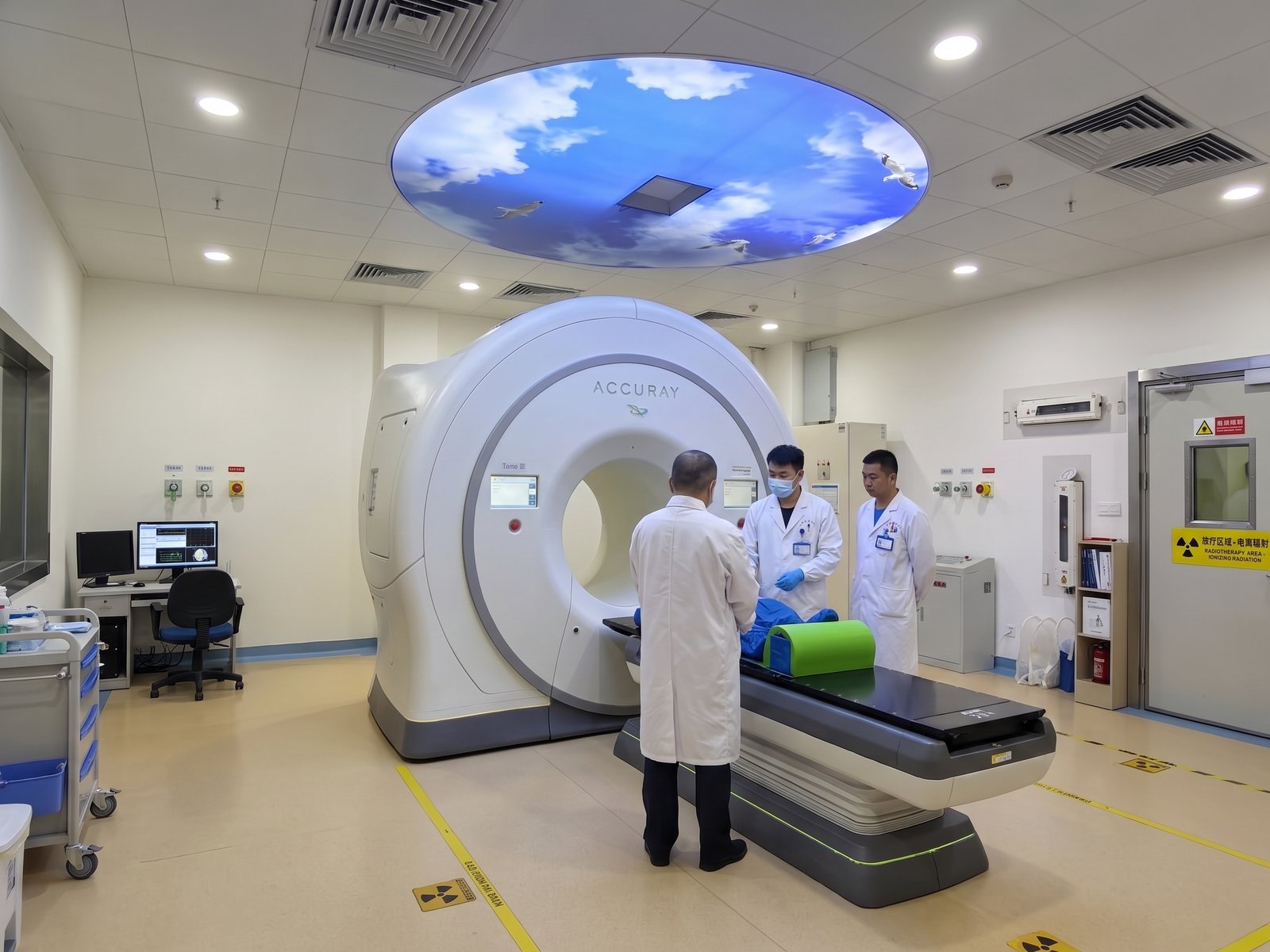
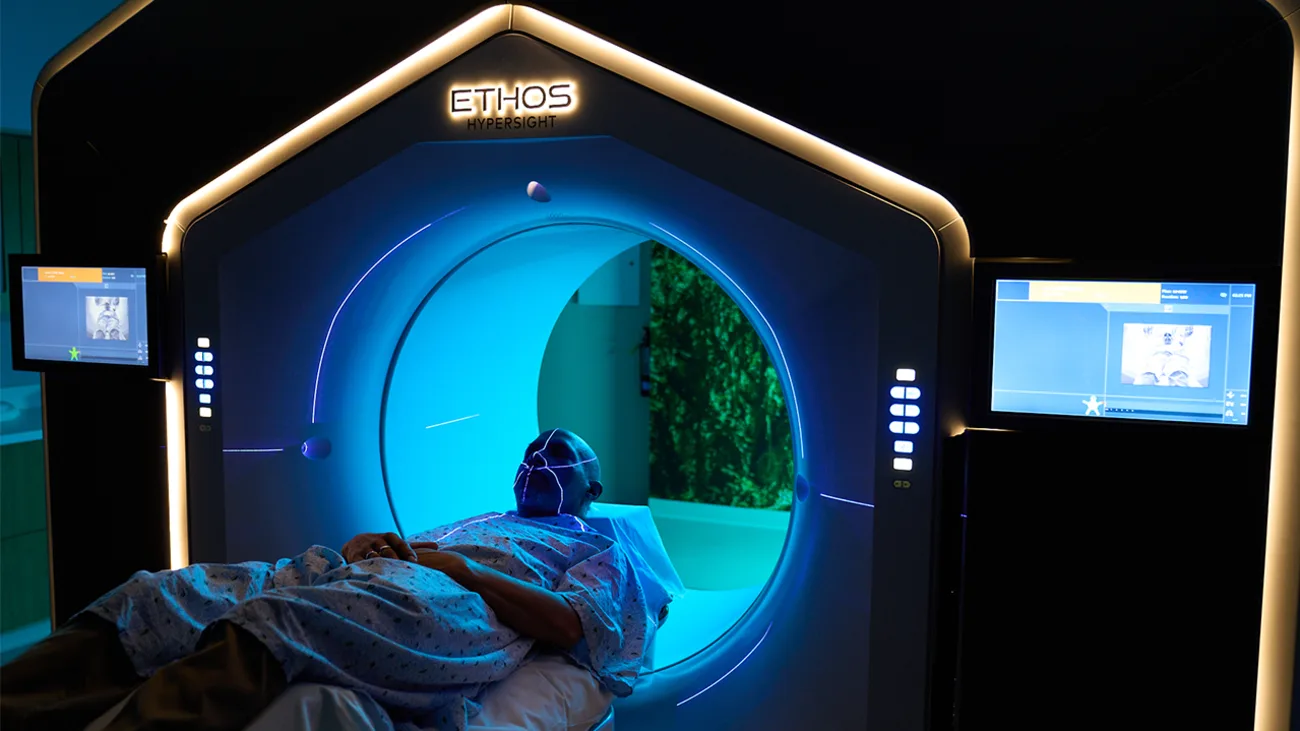
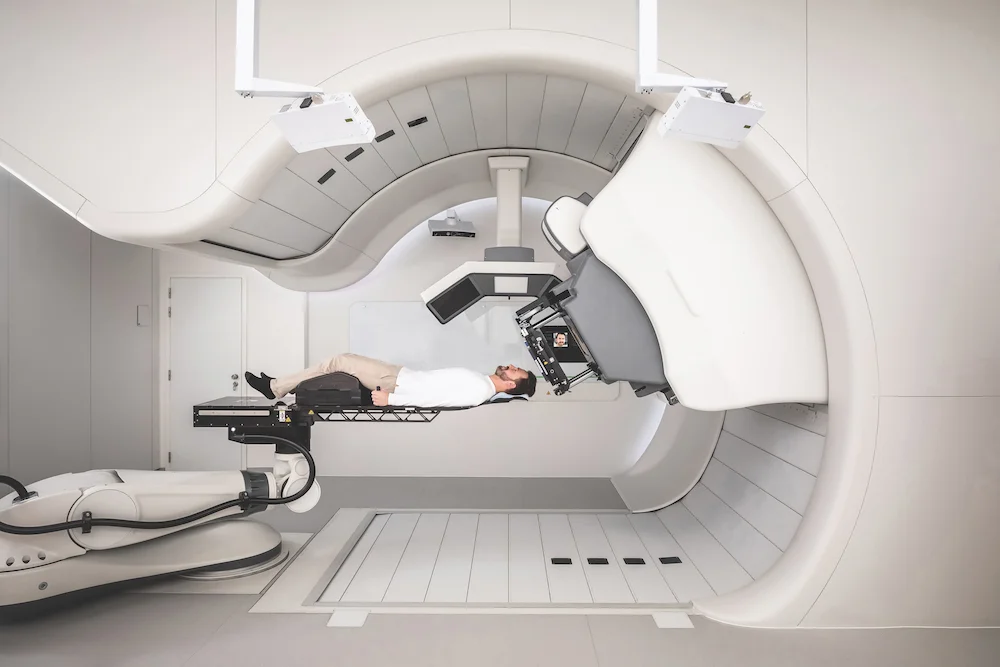
Multiple platforms including CyberKnife, TomoTherapy, TrueBeam, Halcyon, Ethos, HyperArc and proton therapy can be considered in a coordinated manner.
Team members have training backgrounds including Henry Ford Cancer Institute in the United States and Chang Gung Memorial Hospital in Taiwan, together with experience in international equipment application and medical physics.
According to the interventional team’s records, thousands of minimally invasive interventional procedures have been completed across lung, hepatobiliary, breast and gastrointestinal tumors.
Medical oncology, radiation oncology, medical physics, interventional oncology, imaging and other specialties may participate together in determining treatment pathways for complex cases.
Precision Radiotherapy Is More Than Advanced Equipment.
What Truly Makes the Difference Is the Team and Experience.
From clinical judgment, target delineation and dose planning to image guidance, respiratory motion management and safety verification, high-precision radiotherapy depends on teamwork, depth of experience and the ability to execute across multiple platforms.
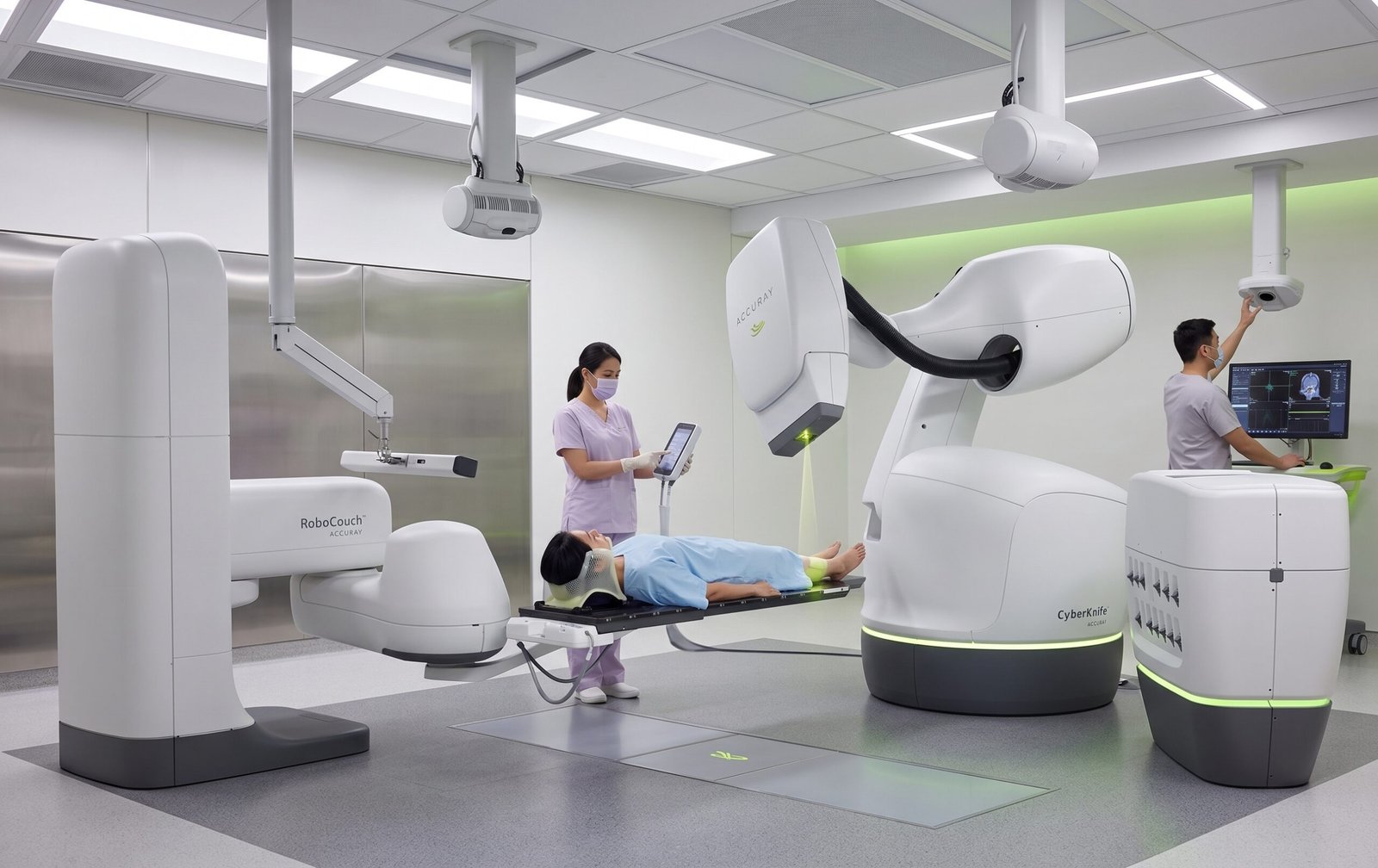
What Determines Treatment Quality Is Judgment, Planning and Execution.
Complex lesions, re-irradiation, respiratory motion management and stereotactic treatment all require clinical goals, physics planning and equipment capabilities to be integrated into one coordinated treatment pathway.
True Precision Radiotherapy Is a Complete System of “Judgment × Planning × Execution.”
Radiotherapy is not simply about choosing a machine and setting a dose. Complex cases require consideration of tumor location, previous irradiation, normal-tissue tolerance, respiratory motion, target coverage, image guidance and the possibility of future retreatment.
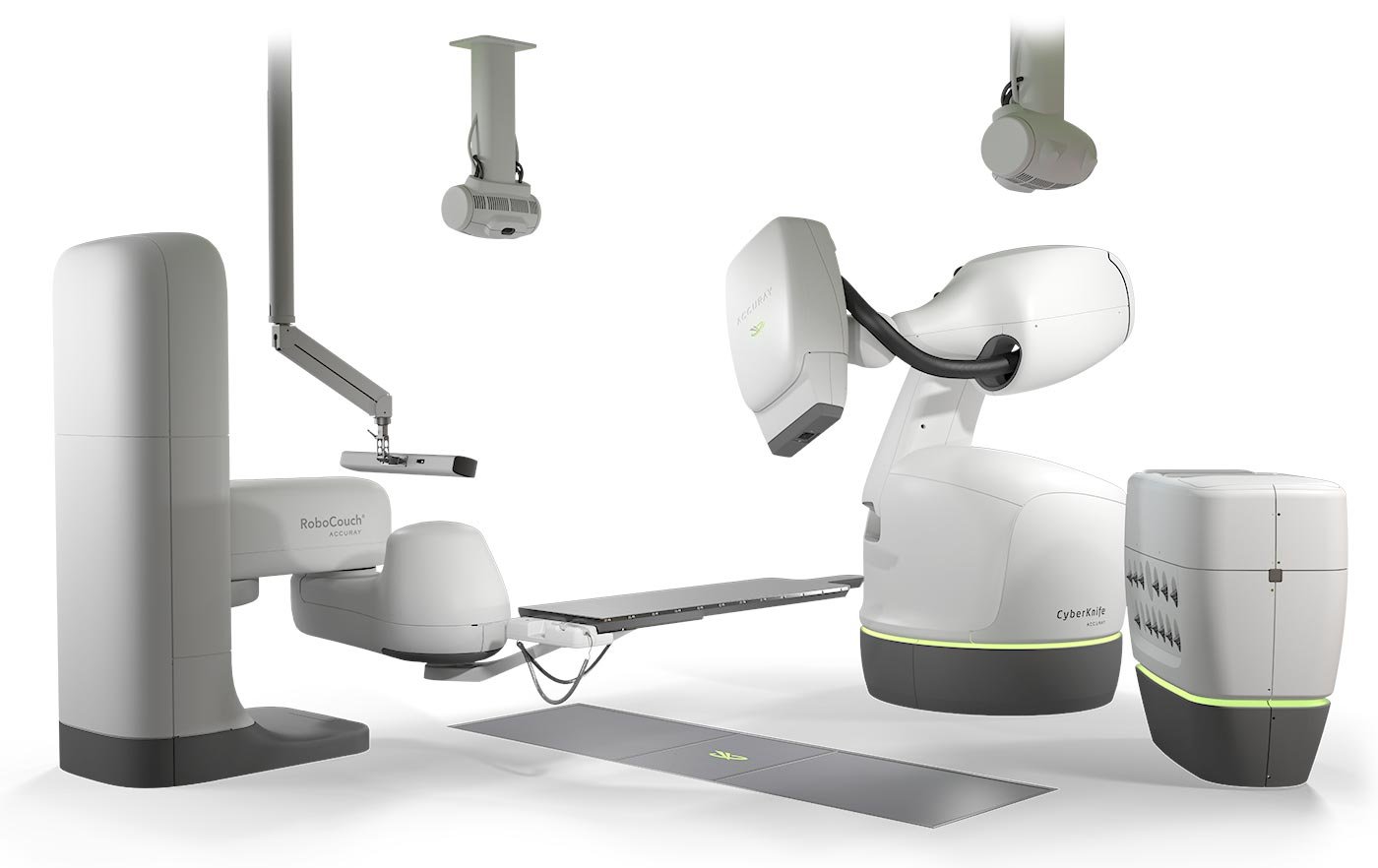
CyberKnife M6 · SRS / SBRT
TomoTherapy · Complex Target Coverage
Ethos · Adaptive Radiotherapy
Proton Therapy · Normal Tissue ProtectionFor a Complex Case,
Which Specialties May Need to Evaluate It Together?
Not every patient needs every specialty involved. But truly complex cases often require imaging, pathology, radiation oncology, medical oncology, interventional oncology and other teams to work together in determining treatment priorities.
Start by Looking at the Entire Case. Pathology · Staging · Previous Treatment · Current Risks · Treatment Goals
The value of MDT in complex cases is not to add more treatment, but to reduce incorrect sequencing, repeated treatment and unnecessary loss of time.